
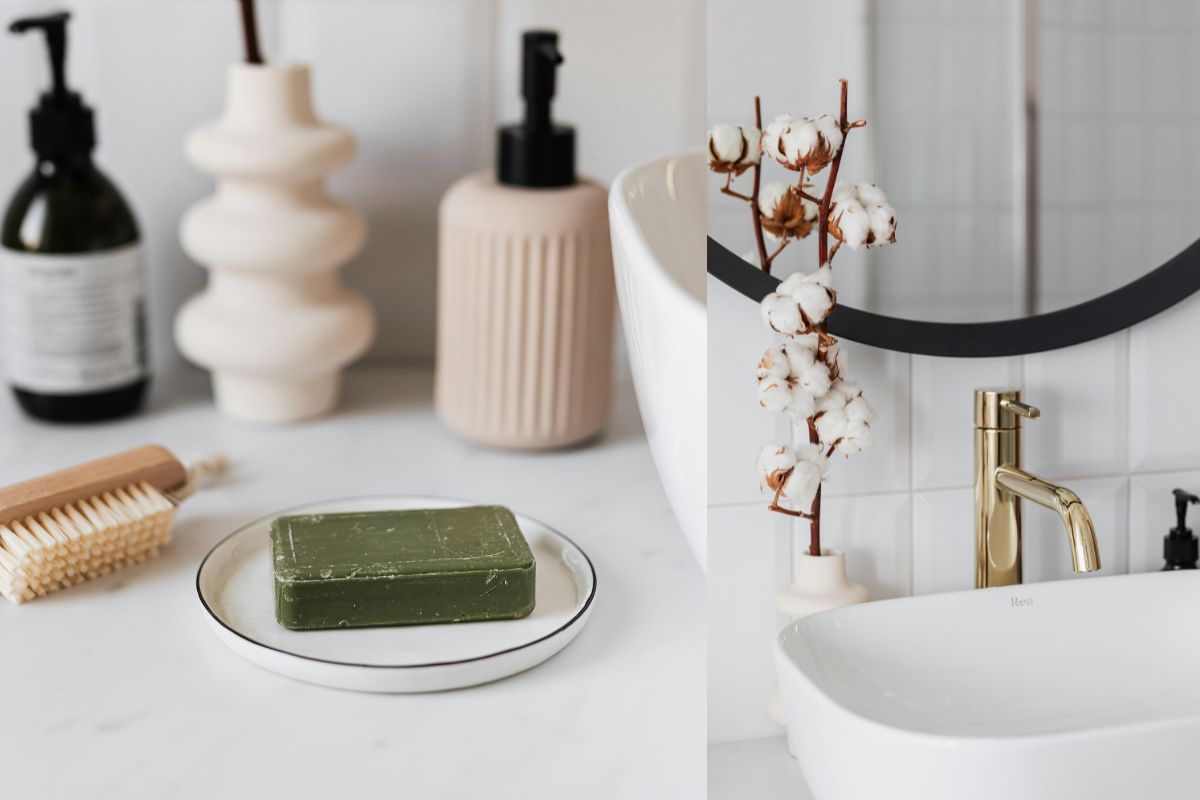
Mindful decorating starts much smaller than most people expect. It often begins with one daily moment that feels slightly off, like a bathroom sink that always looks messy, or a bedroom corner that never feels restful. In many homes, a tiny upgrade can shift the whole mood of that routine. Something as simple as choosing a ceramic soap dish, often found under German categories like Seifenschalen Keramik, can make a space feel cleaner, calmer, and more intentional without changing anything else.
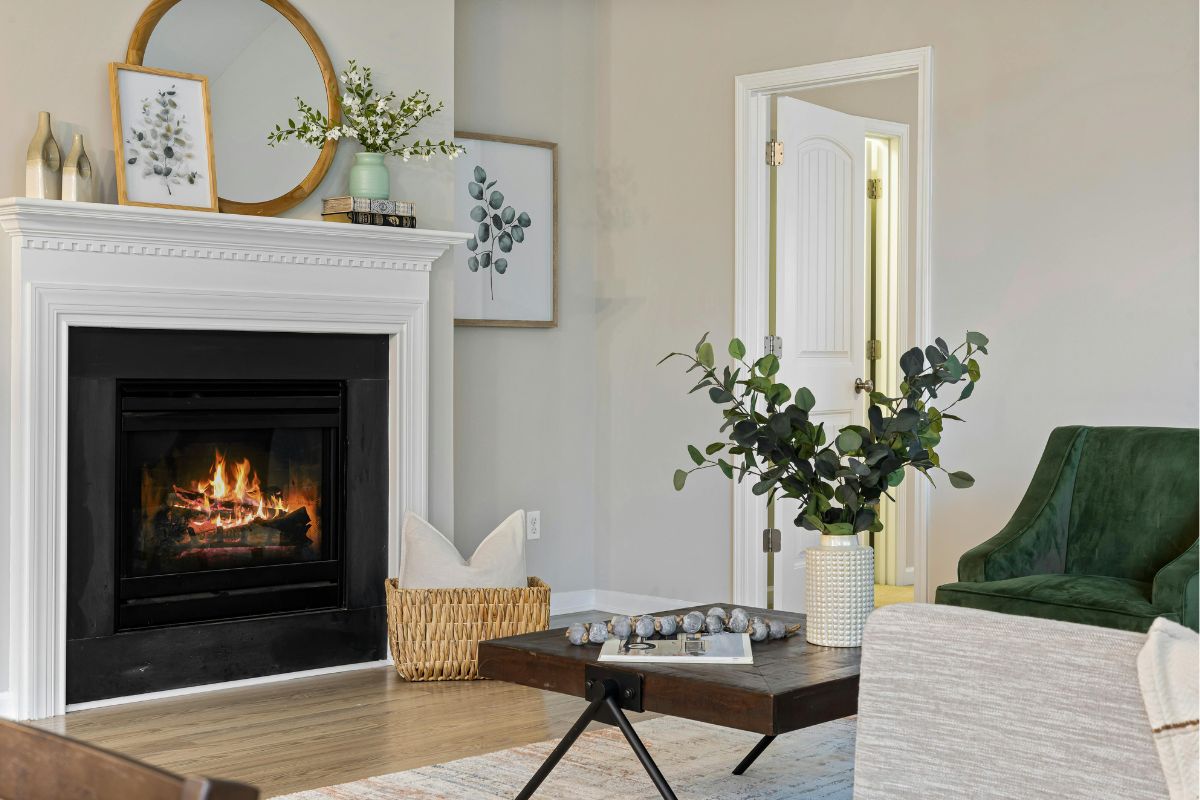
That is the heart of mindful decorating. It is not about chasing a trend or copying a perfect room online. It is about building an environment that supports the way you actually live and the person you want to be. When you make choices with that intention, your home stops feeling like a random storage place for furniture and starts feeling like a quiet reflection of your identity.
“A home feels personal when it supports who you are becoming, not just what you own.”
This is also why the best decor choices often look “simple” on the surface. They do not shout. They do not try to impress strangers. They work in the background, improving your day in small, repeated ways. That is where a brand like SolaceDeco belongs in this conversation. Not as a loud centerpiece, but as a source of warm, modern pieces that fit real routines, especially candles and durable accessories in ceramic and Jesmonite that add character without visual chaos.
Before you buy anything new, ask one question: does this support the way I want to live here. If the answer is yes, the item is not just decoration. It becomes part of your habits, your mood, and your sense of home.
Mindful decorating is the practice of choosing decor with awareness. It means noticing how your environment affects your stress, focus, rest, and confidence, then shaping your space with intention instead of impulse. It is less about style rules and more about alignment.
A mindful home usually has three qualities. It feels clear rather than cluttered. It feels warm rather than harsh. And it feels personal rather than generic. These qualities do not require a high budget. They require consistent decisions, especially around what you see every day, what you touch, and what you repeat as a routine.
Many people confuse mindful decorating with minimalism. They are not the same. Minimalism is a visual style that often emphasizes fewer items and empty surfaces. Mindful decorating is a decision process. You can have a rich, cozy home and still be mindful if every item has a purpose, a place, or a meaning.
In fact, a purely minimalist room can feel cold if it does not match your personality. A mindful room feels right because it reflects your real preferences. Some people feel calm with clean lines and neutral tones. Others feel calm with layered textures, warm colors, and objects that carry memories. The mindful approach is not to force one aesthetic. It is to choose what genuinely supports you.
Perfection creates pressure. Mindful decorating reduces pressure. The goal is not to create a “finished” home. The goal is to create a home that works, and keeps working, even when life is busy.
That is why mindful decorating favors stable foundations over constant change. Instead of replacing everything each season, you build a calm base and then adjust gently. A better lamp. A clearer entry surface. One candle that signals evening. One bathroom detail that makes mornings feel less rushed. Over time, those choices create a home that feels aligned with you, not with a trend cycle.
If your home is meant to feel like you, you need a clear sense of what “you” means inside your space. Most people decorate based on vague ideas like cozy, modern, or clean. Those words are useful, but they are not specific enough to guide decisions. An identity map makes the process practical. It connects your values and habits to real objects and layouts.
Think of this as designing from the inside out. Instead of asking, what looks good, you ask, what supports my life.
A home usually expresses identity through three layers.
Memory: the parts of your home that reflect where you have been and what you value. Photos, inherited items, a souvenir that truly matters, a piece you made yourself. Memory gives a home depth, but it works best when it is curated. Too many memory objects can become visual noise. A few chosen well can feel grounding.
Mood: the emotional atmosphere you want to feel most often. Calm, energized, safe, creative, restored. Mood is shaped by light, color, texture, and order. It is also shaped by scent and small rituals. This is one reason candles remain so relevant. They create mood fast, and they can become a repeatable cue for rest or focus. SolaceDeco’s strength sits here, offering warm, modern pieces that can support mood without turning the home into a showroom.
Function: the reality of how you use your rooms. Where do you drop your keys. Where do you charge your phone. Where do you actually read. Where does laundry collect. Function is not the enemy of beauty. Function is what makes beauty sustainable. When function is ignored, even the best-looking room becomes stressful to maintain.
Before you buy new decor, take a short tour of your home and observe it like a quiet researcher. Notice what feels supportive and what feels draining. You do not need a notebook, but you do need honesty.
Ask yourself:
What is the first thing I see when I walk in, and how does it make me feel. Which corner do I avoid because it feels messy or unfinished. Where do I naturally slow down and breathe. Which objects do I keep moving because they do not have a real place. What do I wish felt easier in the morning or at night.
These questions lead to better decisions than any trend report. They also make your upgrades smaller and smarter. Instead of redecorating an entire room, you might redesign one habit. Instead of buying ten objects, you might choose one piece that solves a real friction point and improves your daily mood.
If mindful decorating sounds “soft,” it helps to remember that your body is always reading your environment. You do not need to be sensitive or artistic for this to be true. The brain constantly scans for signals of order, safety, and overwhelm. When your space feels chaotic, your attention becomes fragmented. When your space feels coherent, your nervous system tends to settle faster.
This is one reason home decor has become more than aesthetics in recent years. People are not only trying to make a room look good. They are trying to feel better inside it. The key is to focus on elements that affect the body directly: visual load, light, scent, and touch.
Visual noise is anything your eyes have to “process” even when you are not thinking about it. A pile of mixed items on a table. Too many small objects competing for attention. Cables, packaging, half-finished tasks that stay visible for days. Each item may feel minor, but together they create a low-level pressure, the sense that something is unfinished.
In a busy life, that unfinished feeling is expensive. It drains energy because the brain keeps returning to the same micro-decisions: Where should this go? Why is this here? Should I deal with it now? This is why mindful decorating often begins with surfaces. Not because empty surfaces look modern, but because clear surfaces allow the mind to rest.
A practical approach is to reduce the number of “active objects” in your line of sight. Keep what you use daily, store the rest, and create one deliberate place for the unavoidable clutter of life. A small basket or tray is enough. The goal is not minimalism. The goal is to stop your home from constantly reminding you of tasks you are not doing.
Once visual noise is reduced, the next level is sensory regulation. You can think of it as designing your home like a supportive system.
Light: Warm, layered lighting often feels more calming than one harsh ceiling light. Soft light tells the body that it is safe to slow down. It also makes rooms feel more forgiving, especially at night.
Scent: Scent can become a gentle cue. A subtle fragrance used consistently during evening wind-down helps the body recognise a transition into rest. The important word is subtle. Strong scent can feel invasive, especially in small rooms.
Touch: Tactile materials matter more than people admit. Ceramic, wood, and soft textiles communicate stability. Cheap plastic often communicates “temporary.” When your hands touch objects that feel solid and pleasant, the space feels more grounded.
This is where small, well-made items can do more than their size suggests. A durable ceramic accessory in a bathroom, a tray that gathers everyday objects, or a candle that becomes part of your night routine can quietly change how a space regulates your mood. This is also why brands like SolaceDeco, which focus on modern home comfort through candles and ceramic or Jesmonite pieces, can feel relevant in a mindful home. The pieces are designed to be lived with, not only displayed.
A mindful home is built through repeated small decisions, not one dramatic transformation. The easiest way to make progress is to work room by room, and within each room, focus on one friction point. Ask: what is the one thing that creates stress here, and what small change would reduce it.
Below is a practical structure that works in almost every home, even a small apartment, because it focuses on habits rather than square meters.
Your entry is the emotional doorway of your day. If you walk into clutter, your mind stays outside. If you walk into calm, your body relaxes faster.
Start with one clear landing spot. A shelf, a small table, or even a narrow surface is enough. Give keys, wallet, and headphones a defined home. Add one quiet detail, like a small bowl, a simple tray, or a warm light source nearby. The goal is to create a stable first impression that tells you: you are home now.
Mindful decorating here is about preventing chaos, not adding decoration. When the entry is organised, you waste less time searching, and you begin each evening with less friction.
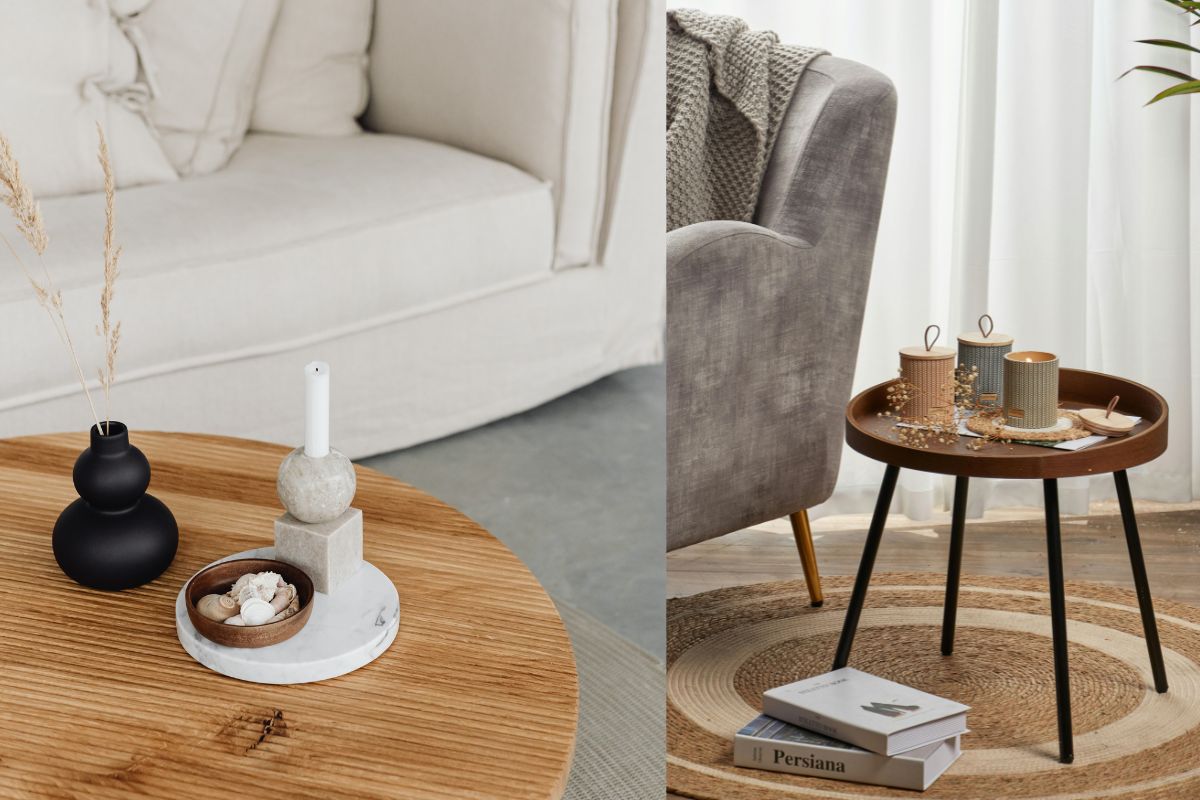
The living room is where many people try to “decorate,” but mindful upgrades here usually start with subtraction. Choose one surface that tends to collect random items and reset it. Keep only what supports the life you actually live in that room.
If the living room is for rest, reduce visual stimulation. If it is for social time, create comfort that invites conversation. A good trick is to create one intentional cluster instead of many small objects everywhere. One candle, one book, one ceramic piece, one plant. When objects are grouped, the room feels curated. When objects are scattered, the room feels busy.
Also think about the lighting rhythm. A warm lamp in the evening changes the mood more than an expensive decor item. If you can create a softer evening atmosphere, the whole room starts to feel more personal and more supportive.
The bedroom is a health space, not only a style space. If your bedroom does not support rest, the rest of your life becomes harder.
Start with the most important boundary: reduce work signals. Keep a clear separation between sleep and productivity. If possible, keep paperwork and screens out of the immediate view from the bed. Visual cues matter. If the first thing you see before sleep is unfinished tasks, your mind stays active.
Then build a simple wind-down ritual around light and comfort. A warm lamp, a tidy bedside surface, and one calming detail can change sleep quality more than many people expect. The goal is not luxury. The goal is to give your brain a consistent cue that the day is over.
Bathrooms are full of micro-moments that shape your mood: washing your hands, brushing your teeth, starting your day, ending your day. Mindful decorating here is not about making it look like a hotel. It is about making routines smoother.
Choose one small section of the sink area and simplify it. Remove anything you do not use daily. Give the remaining items a clear place so the surface looks calm. This reduces the sense of mess and increases the sense of control. Small accessories matter because they prevent daily friction, and daily friction adds up.
A bathroom that feels calm supports you in two directions. It helps mornings feel less rushed and evenings feel more restorative. If the home is meant to feel like you, this is one of the easiest rooms to align, because the changes are small, practical, and immediately felt.
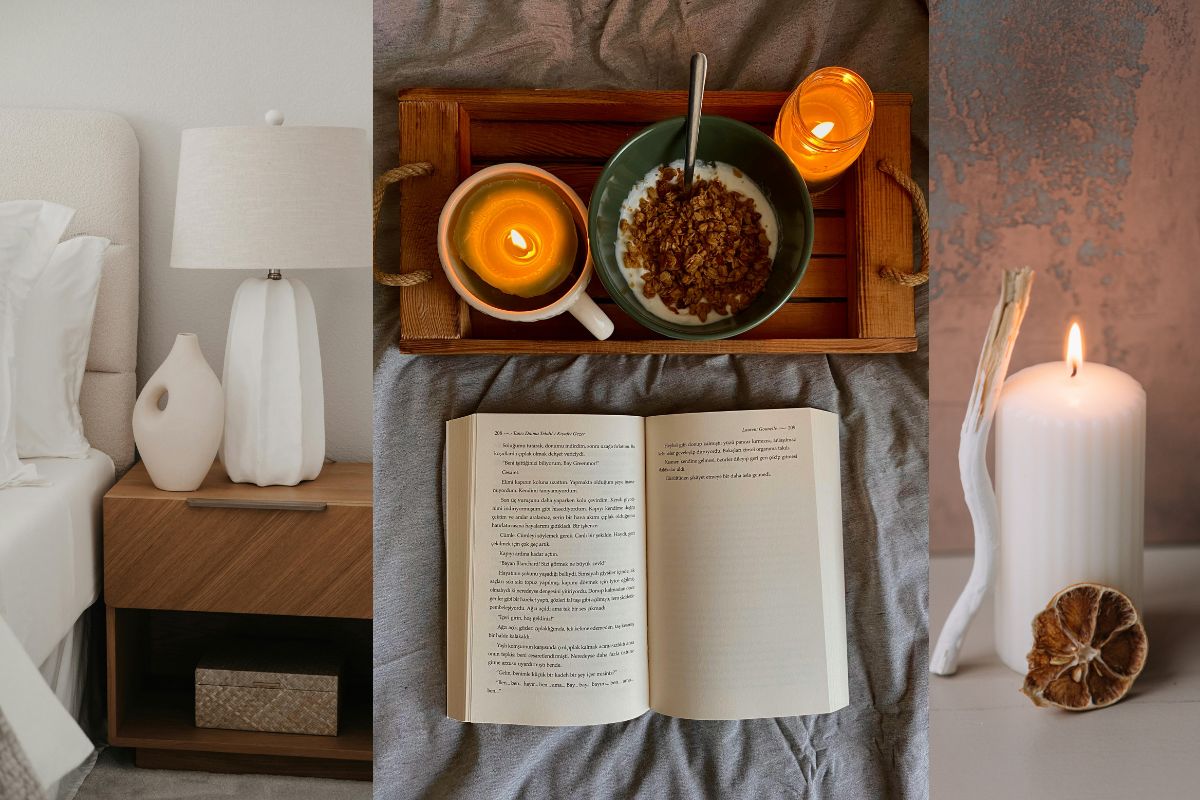
Even if you do not want to “decorate” your kitchen, you can still design for comfort. Kitchens shape routines because they are tied to energy, food, and care.
Pick one small corner that represents daily life: a tea spot, a coffee station, or a fruit bowl area. Make it simple and easy to maintain. Clear the counter space around it, reduce extra packaging, and keep only the essentials visible. This one change often increases the feeling of order in the whole kitchen, because it creates a defined centre.
Mindful decorating in the kitchen is often about reducing friction. If the tools you use daily are easy to reach and the surfaces are clear, you feel more capable. That feeling of capability is a real part of comfort.
Once your rooms have clearer surfaces, calmer lighting, and a few supportive routines, the next question becomes simple but important: what do you actually bring into the space. Mindful decorating is not anti-shopping. It is anti-random. The goal is to choose objects that earn their place, either by solving a real problem, supporting a habit, or expressing something true about you.
A useful mindset is to treat your home like an edited story. Every object is a sentence. Too many sentences make the story noisy. A few well-chosen sentences make it readable and memorable.
Many people buy decor in clusters because they are trying to create an instant transformation. The result is often the opposite. Too many small items compete for attention, and the room feels busy. Instead, choose one “good thing” at a time.
One good thing could be a ceramic tray that finally gives your everyday objects a home. It could be one candle that becomes part of your evening rhythm. It could be one piece of wall art that makes a blank room feel more like yours. When you add one object and live with it for a week, you learn what the room really needs next. This also prevents regret buying, because you are making decisions based on lived experience, not on a quick mood.
It is also easier to keep a space calm when you commit to fewer focal points. Your eye needs rest. A home that feels like you is not a home filled with identity signals everywhere. It is a home where a few signals are placed with care.
If mindful decorating is about building a home that supports you over time, then materials matter. Some materials age gracefully. Others look tired quickly. The difference is not only visual. It changes how the space feels to live in.
Ceramic is a strong example because it is stable, tactile, and timeless. A ceramic item holds weight in a room even when it is small. It also tends to look better with time, because it is not trying to be trendy. Glass, natural wood, linen, cotton, and wool are similar in this sense. They bring texture and calm without demanding attention.
By contrast, many low-quality plastics and thin finishes create a “temporary” feeling. They scratch easily, fade, or start to look cheap under real daily use. Even if they are affordable, they often cost more in the long run because they push you into replacement cycles. Mindful decorating tries to reduce that cycle by choosing fewer, better items that you can live with for years.
This is also why curated, modern collections can help. When pieces are designed with a consistent material language, such as ceramic and Jesmonite, you can build a cohesive home without constantly matching and guessing. It becomes easier to add one object and know it will fit. That kind of ease is part of comfort.
When people hear “objects with meaning,” they often imagine sentimental items or souvenirs. Those can matter, but meaning can also be practical. A well-chosen item can mean “my mornings are smoother,” or “my bathroom is easier to clean,” or “my evenings feel calmer.”
A home that feels like you is often built from these practical meanings. If you are someone who values calm, you will choose objects that reduce friction. If you value creativity, you will choose objects that invite making and experimenting. If you value hospitality, you will choose objects that make guests feel welcome.
Mindful decorating does not force one identity. It gives you a method to express your own.
If objects are the structure of a home, rituals are the soul. Two homes can have similar furniture and still feel completely different because the people inside them use the space differently. Rituals turn decor from static styling into lived identity.
A ritual does not need to be spiritual or complicated. It simply means a repeated action that signals a shift. Starting work. Ending work. Preparing dinner. Getting ready for sleep. When your space supports these transitions, you feel more grounded, because your body understands what time it is and what mode you are in.
The strongest rituals are small enough to repeat even on busy days. They also connect to the senses, because the senses are faster than thoughts.
Warm light in the evening is a ritual. Clearing one surface before bed is a ritual. Making tea in the same corner each morning is a ritual. These actions become cues. Over time, cues become habits. Habits become identity.
This is why mindful decorating often looks quiet. It is not trying to impress. It is trying to support repeated moments.
One reason the comfort economy has grown is that people want experiences that restore them. Scrolling often does not restore. Making often does. Creating something with your hands is a different kind of comfort. It can slow the mind, build patience, and give you an object that carries a memory of calm focus.
Some people choose to learn this in a structured way, for example through a Kerzen herstellen Kurs, which combines candle making with decor crafting in materials like ceramic-style casts and Jesmonite. A course like this can be practical for beginners because it reduces trial-and-error waste and helps you get clean results that you will actually want to display.
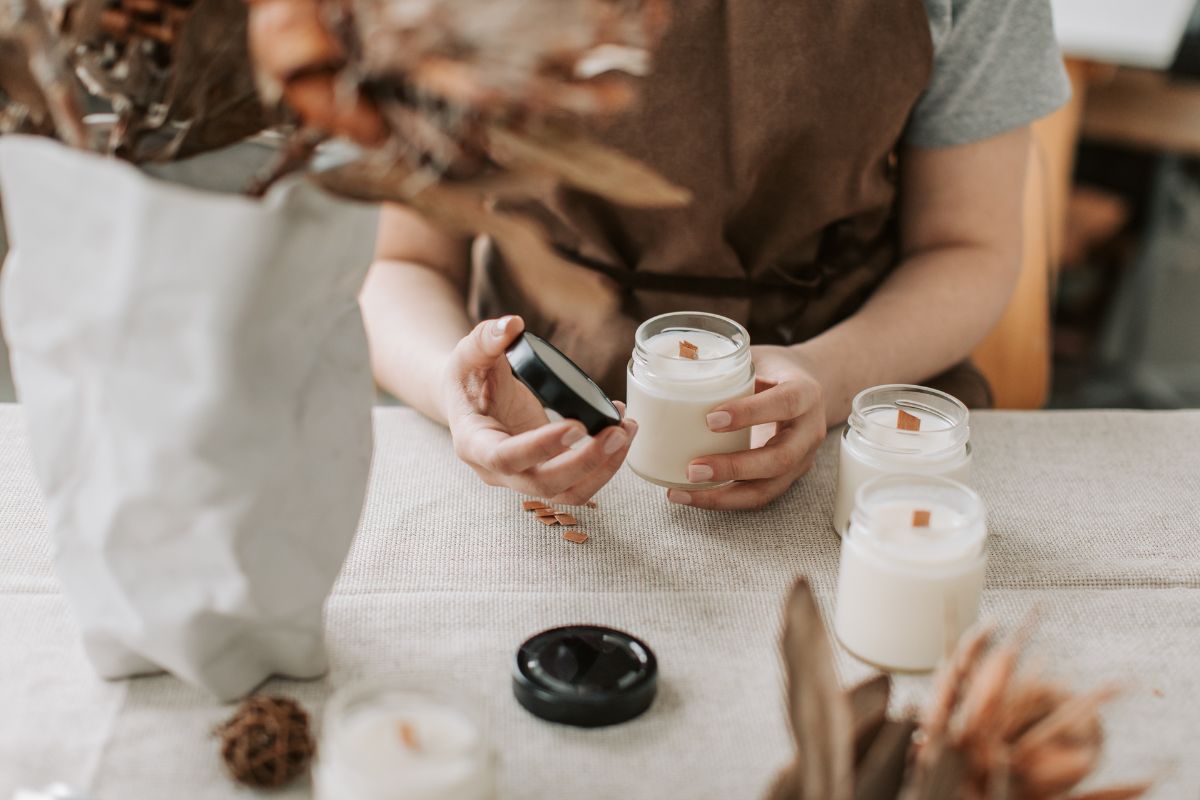
This is also a natural place to mention SolaceDeco again without overdoing it. The brand is not only about buying finished pieces. It also supports the idea of building a home through making and learning, which fits perfectly with mindful decorating. When your home includes something you created yourself, the space becomes more personal in a way no trend can copy.
A mindful home often has “modes.” Focus mode. Rest mode. Social mode. Reset mode. You can support these modes with tiny ritual cues.
In focus mode, you might keep the desk surface clear and use one consistent lighting setup. In rest mode, you might soften the room and limit visual noise. In reset mode, you might keep a bathroom corner clean and ready. The goal is not to create rules. The goal is to reduce decision fatigue by making the right choice easier.
When rituals are built into the home, the home begins to feel like a partner. It supports you instead of demanding constant effort. That is what makes a space feel like you. Not the objects alone, but the life you repeatedly live around them.
Mindful decorating is not complicated, but it is easy to drift off course. Most mistakes do not come from “bad taste.” They come from trying to solve an emotional problem with a visual shortcut. The good news is that once you can name the common traps, you can avoid them quickly.
One of the fastest ways to lose the “this feels like me” feeling is to decorate for an image instead of a life. A trend can be beautiful, but if it does not match how you live, it will not last. For example, perfectly styled open shelves look great online, but in real life they demand constant maintenance. If your weeks are busy, that setup will become stressful, and the room will start to feel like a chore.
A mindful home begins with daily behavior. If you always drop your keys on the first surface you see, the mindful solution is to give that habit a home. If you love reading at night, the mindful solution is to design a bedside setup that makes reading easy and sleep easier. A trend becomes helpful only when it supports a real routine.
Another common mistake is collecting small decor objects and spreading them around the room. Individually, they can be cute. Together, they create noise. The eye does not know where to rest, and the space starts to feel busy even if it is technically “decorated.”
A simple fix is to reduce the number of objects on display and increase the quality of what remains. When you choose one strong piece instead of five small ones, the room feels calmer and more intentional. This also makes cleaning easier, which is part of what makes a home feel supportive.
Impulse buying often happens when people feel bored, stressed, or overwhelmed. A quick purchase creates a short burst of relief. But if the item does not connect to your home identity map, it becomes clutter later. This is why mindful decorating emphasizes waiting. Even 48 hours is enough to see whether you truly want something, or whether you just want a feeling.
A helpful rule is to connect every purchase to one of three purposes: solve a friction point, support a ritual, or express a clear part of your identity. If it does none of these, it is probably not worth bringing into your space.
Many people decorate a room and then wonder why it falls apart. The reason is usually function. If everyday items do not have a home, they will create piles. If surfaces do not have a purpose, they will become dumping zones. If a room does not support your habits, it will stop feeling good no matter how pretty it looks.
Mindful decorating treats function as the foundation. Beauty becomes sustainable when the space is easy to maintain. This is also where good materials matter. Durable, easy-to-clean surfaces and accessories support consistency. When your home is easier to reset, it stays closer to the version of yourself you want to live with.
Use this short check to keep your choices aligned. If you answer “no” to most of these, pause before buying.
Does this item support a real daily habit or solve a real friction point
Will it still make sense in this room three months from now
Can I explain where it will live and what it will replace
Does it match my mood goals for this space
Would one better item be smarter than several smaller ones
This is not about rules. It is about reducing regret and keeping your home clear enough to reflect you.
Mindful decorating is not a style, and it is not a one-time project. It is a way of relating to your home with more awareness. When you choose calm over clutter, warmth over harshness, and meaning over impulse, your rooms start to support you instead of draining you.
The most powerful part is how small the steps can be. A clearer surface. A warmer light. A simple daily ritual. One object chosen with intention. Over time, these choices build a home that feels personal because it matches your real routines and values.
If you want a practical way to stay consistent, think in layers: create a calm foundation, choose materials that age well, and add objects only when they earn their place. When the process is thoughtful, the result feels effortless. The room becomes familiar in the best way, like it is quietly on your side.
That is what it means to create a home that feels like you. Not a copy of a trend, not a showroom, but a living space that reflects who you are and supports who you are becoming.

