
چند سال پیش اگر کسی میگفت قرار است افراد بابت نوشتن چند خط متن پول دریافت کنند، احتمالاً منظورش نویسندگی، تبلیغنویسی یا تولید محتوا بود. اما امروز افرادی وجود دارند که از فروش چند خط دستور به مدلهای هوش مصنوعی درآمدهای قابل توجهی کسب میکنند.
بازارهای خرید و فروش پرامپت شکل گرفتهاند. شرکتها برای طراحی پرامپتهای اختصاصی هزینه میکنند. برخی از این پرامپتها با قیمتهای چند صد یا حتی چند هزار دلاری معامله میشوند و در بسیاری از کسبوکارها، پرامپت خوب میتواند تفاوت میان یک خروجی معمولی و یک خروجی حرفهای را رقم بزند.
اما یک سؤال اساسی کمتر مورد توجه قرار گرفته است:
در نگاه اول پاسخ ساده به نظر میرسد، اما واقعیت این است که این پرسش ما را به یکی از پیچیدهترین چالشهای حقوقی عصر هوش مصنوعی میرساند.
بسیاری از افراد تصور میکنند پرامپت صرفاً یک سؤال یا دستور ساده است. برای مثال در حوزه حقوق:
«یک قرارداد اجاره بنویس.»
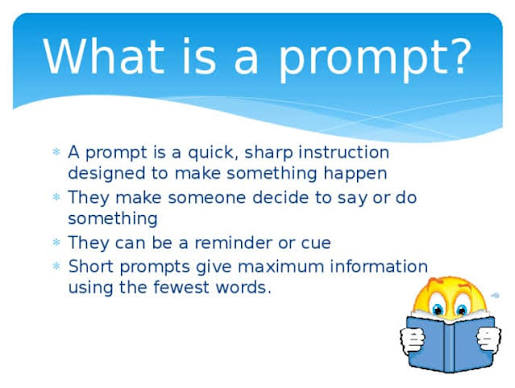
طبیعتاً دشوار است بتوان چنین عبارتی را موضوع حمایت حقوق مالکیت فکری دانست! اما واقعیت امروز صنعت هوش مصنوعی چیز دیگری است. بسیاری از پرامپتهای حرفهای دیگر یک جمله ساده نیستند. آنها حاصل ساعتها یا حتی ماهها آزمون و خطا، بهینهسازی، تجربه عملی و دانش تخصصی هستند.
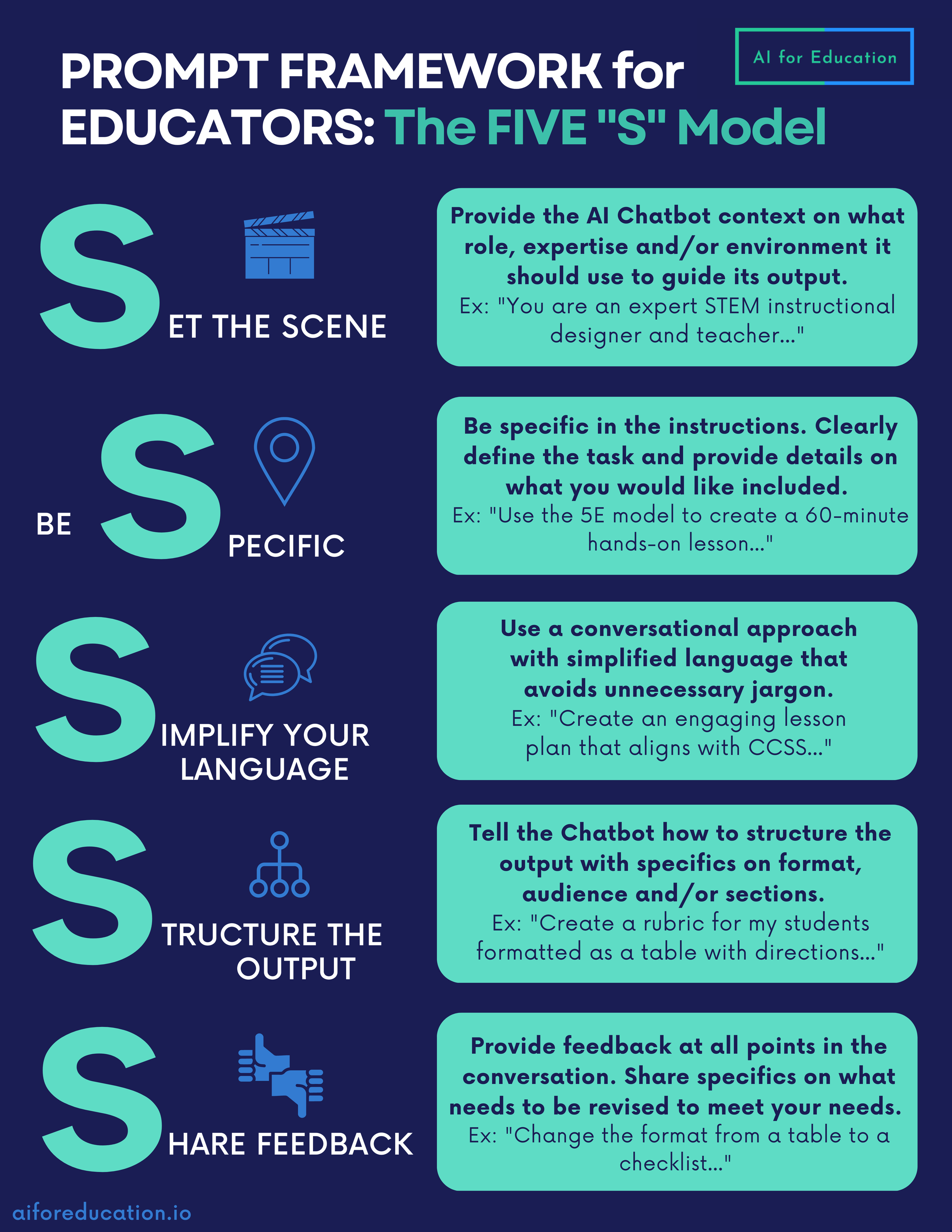
یک پرامپت حرفهای ممکن است شامل موارد زیر باشد:
تعریف دقیق نقش مدل
تعیین روش استدلال
تعیین قالب خروجی
محدودیتهای محتوایی
فرآیند چندمرحلهای تحلیل
معیارهای ارزیابی پاسخ
در چنین وضعیتی، پرامپت بیشتر به یک دستورالعمل پیچیده شباهت پیدا میکند تا یک سؤال ساده.
اینجاست که نخستین ابهام حقوقی شکل میگیرد.
یکی از بنیادیترین اصول حقوق مالکیت فکری این است که قانون از «ایده» حمایت نمیکند، بلکه از «بیان ایده» حمایت میکند. برای مثال هیچ شخصی نمیتواند ادعا کند مالک ایده ساخت یک شبکه اجتماعی است. اما ممکن است نحوه خاص پیادهسازی آن مورد حمایت قرار گیرد.
همین منطق را میتوان درباره پرامپتها نیز مطرح کرد.
ایده استفاده از هوش مصنوعی برای تنظیم قراردادهای سرمایهگذاری، تحلیل دعاوی حقوقی یا تولید محتوای بازاریابی قابل تملک نیست.
اما آیا متن خاصی که برای دستیابی به این هدف نوشته شده نیز صرفاً یک ایده محسوب میشود؟
اگر فردی دهها ساعت زمان صرف طراحی ساختار، ترتیب دستورات، روش تحلیل و قالب خروجی کرده باشد، آیا محصول نهایی چیزی فراتر از یک ایده نیست؟
در اینجا بسیاری از حقوقدانان ممکن است استدلال کنند که حداقل برخی از پرامپتهای پیچیده میتوانند واجد اصالت لازم برای برخورداری از حمایت کپیرایت باشند.
البته مخالفان نیز استدلال دیگری دارند. از نگاه آنها پرامپت بیش از آنکه یک اثر ادبی باشد، یک دستور عملکردی است و حقوق مالکیت ادبی و هنری معمولاً از دستورالعملهای صرف حمایت نمیکند.
همین اختلاف نظر نشان میدهد که پاسخ مسئله هنوز روشن نیست.
با گسترش مفهوم Prompt Engineering، نگاه جدیدی نیز شکل گرفته است.
برخی متخصصان معتقدند پرامپت در واقع نوعی برنامهنویسی است.
در این نگاه، مدل هوش مصنوعی نقش موتور پردازش را دارد و پرامپت نقش کد یا دستور اجرایی را ایفا میکند.
اگر این تحلیل را بپذیریم، پرامپت دیگر صرفاً یک متن نیست؛ بلکه ابزاری برای هدایت رفتار یک سیستم پیچیده است.
جالب آنکه در بسیاری از موارد، تغییر یک کلمه در پرامپت میتواند خروجی را به طور کامل دگرگون کند؛ درست همانگونه که تغییر یک خط کد میتواند عملکرد یک نرمافزار را تغییر دهد.
البته هنوز اغلب نظامهای حقوقی جهان چنین جایگاهی را برای پرامپت به رسمیت نشناختهاند. با این حال، شباهتهای فنی میان پرامپتهای پیشرفته و کدهای نرمافزاری روزبهروز بیشتر مورد توجه قرار میگیرد.
شاید مسئله اصلی اصلاً کپیرایت نباشد
فرض کنید یک شرکت حقوقی یا یک استارتاپ فناوری، صدها ساعت زمان صرف توسعه مجموعهای از پرامپتهای اختصاصی کرده است.
یکی از کارکنان شرکت به این پرامپتها دسترسی دارد و آنها را در اختیار یک رقیب قرار میدهد.
آیا نخستین عنوان حقوقی که به ذهن میرسد نقض کپیرایت است؟ لزوماً خیر!
در چنین شرایطی ممکن است مفاهیمی مانند:
اسرار تجاری
اطلاعات محرمانه
تعهدات قراردادی
رقابت نامشروع
بسیار مهمتر از حقوق مؤلف باشند!
در عمل نیز احتمال دارد بسیاری از اختلافات آینده پیرامون پرامپتها نه از طریق قواعد سنتی مالکیت فکری، بلکه از طریق قواعد مربوط به حفاظت از اسرار تجاری حلوفصل شوند.زیرا ارزش اقتصادی بسیاری از پرامپتها دقیقاً در محرمانه بودن آنها نهفته است.
نکته جالب اینجاست که هزاران نفر در سراسر جهان در حال خرید و فروش پرامپت هستند، بدون آنکه وضعیت حقوقی این دارایی کاملاً مشخص باشد.
وقتی شخصی یک پرامپت را میفروشد، در واقع چه چیزی را منتقل میکند؟
مالکیت؟
مجوز استفاده؟
دانش فنی؟
یا صرفاً دسترسی به یک متن؟
پاسخ این پرسش در بسیاری از موارد روشن نیست.
در واقع بازار بسیار سریعتر از نظام حقوقی حرکت کرده است. فناوری فرصتهای اقتصادی جدیدی خلق کرده و قانون هنوز در حال تلاش برای فهم ماهیت آنهاست. این اتفاق البته پدیده جدیدی نیست. در گذشته نیز اینترنت، رمزارزها، دادههای شخصی و داراییهای دیجیتال مسیر مشابهی را طی کردهاند. ابتدا فناوری ایجاد شده، سپس بازار شکل گرفته و در نهایت قانون به دنبال تنظیم آن حرکت کرده است.
به نظر میرسد در سالهای آینده دادگاهها و قانونگذاران ناچار خواهند شد درباره ماهیت حقوقی پرامپتها موضعگیری کنند. ممکن است برخی از پرامپتها به عنوان آثار قابل حمایت شناخته شوند. ممکن است برخی دیگر تحت عنوان اسرار تجاری مورد حمایت قرار گیرند و حتی ممکن است در آینده، نظامهای حقوقی برای پرامپتهای پیشرفته جایگاه مستقلی تعریف کنند؛ جایگاهی که نه کاملاً شبیه آثار ادبی باشد و نه کاملاً شبیه نرمافزار.
اما در حال حاضر یک نکته روشن است: پرامپت دیگر صرفاً چند خط متن نیست.
در بسیاری از موارد، پرامپت محصول دانش، تجربه، خلاقیت و سرمایهگذاری اقتصادی قابل توجهی است و همین موضوع باعث شده است که پرسش از مالکیت آن، به یکی از مهمترین مسائل حقوقی عصر هوش مصنوعی تبدیل شود.
شاید امروز هنوز نتوان با قطعیت گفت که پرامپت موضوع حمایت حقوق مالکیت فکری هست یا خیر؛ اما میتوان با اطمینان گفت که نظامهای حقوقی جهان دیر یا زود ناچار خواهند شد برای این پدیده نوظهور پاسخی روشن پیدا کنند.
This article will be bilingual and this section is a rough translation into the original language.
A few years ago, if someone had said that people would one day get paid for writing a few lines of text, most would probably have assumed they were talking about authorship, copywriting, or content creation. Today, however, there are individuals earning substantial income by selling a few lines of instructions to artificial intelligence models.
Prompt marketplaces have emerged. Companies pay for the development of proprietary prompts. Some prompts are traded for hundreds or even thousands of dollars, and in many businesses, a well-designed prompt can make the difference between an average output and a professional-grade result.
Yet one fundamental question has received far less attention:
If someone copies and uses a prompt created by another person, have they infringed intellectual property rights?
At first glance, the answer may seem straightforward. In reality, however, this question leads us directly to one of the most complex legal challenges of the AI era.
Many people assume that a prompt is merely a simple question or instruction. For example, in the legal field:
"Draft a lease agreement."
Naturally, it is difficult to argue that such a phrase should be protected by intellectual property law.
The reality of today's AI industry, however, is quite different. Many professional prompts are no longer simple one-sentence instructions. They are the product of hours—or even months—of experimentation, optimization, practical experience, and specialized expertise.
A professional prompt may include:
A precise definition of the model's role;
A specified reasoning methodology;
A defined output format;
Content limitations and constraints;
A multi-step analytical process; and
Criteria for evaluating the response.
In such circumstances, a prompt begins to resemble a sophisticated set of instructions rather than a simple question.
This is where the first legal ambiguity arises.
One of the most fundamental principles of intellectual property law is that the law does not protect ideas; it protects the expression of ideas.
For example, no one can claim ownership of the idea of creating a social networking platform. However, the specific manner in which that idea is implemented may be protected.
The same logic can be applied to prompts.
The idea of using artificial intelligence to draft investment agreements, analyze legal disputes, or generate marketing content is not capable of ownership.
But is the specific text written to achieve that objective also merely an idea?
If someone has spent dozens of hours designing the structure, sequence of instructions, analytical methodology, and output format of a prompt, is the resulting product really nothing more than an idea?
Many legal scholars would argue that at least some sophisticated prompts possess sufficient originality to qualify for copyright protection.
Opponents, however, offer a different perspective. In their view, a prompt is less a literary work and more a functional instruction, and copyright law generally does not protect purely functional directions or methods of operation.
This disagreement itself demonstrates that the answer remains uncertain.
With the rise of Prompt Engineering, another perspective has emerged.
Some experts argue that prompts are, in effect, a form of programming.
Under this view, the AI model serves as the processing engine, while the prompt functions as code or an executable instruction.
If this analysis is accepted, a prompt is no longer merely text; it becomes a tool for directing the behavior of a complex system.
Interestingly, in many cases, changing a single word in a prompt can dramatically alter the output—much like changing a single line of code can alter the behavior of a software application.
Of course, most legal systems around the world have not yet recognized prompts in this way. Nevertheless, the technical similarities between advanced prompts and software code are attracting increasing attention.
Imagine that a law firm or technology startup spends hundreds of hours developing a collection of proprietary prompts.
One of its employees gains access to those prompts and provides them to a competitor.
Would copyright infringement be the first legal issue that comes to mind?
Not necessarily.
In such circumstances, concepts such as:
Trade secrets;
Confidential information;
Contractual obligations; and
Unfair competition
may be far more significant than copyright.
In practice, many future disputes concerning prompts may be resolved not through traditional intellectual property doctrines but through legal frameworks governing the protection of trade secrets.
This is because the economic value of many prompts derives precisely from their confidentiality.
An interesting aspect of this issue is that thousands of people around the world are buying and selling prompts despite the fact that the legal status of this asset remains unclear.
When someone sells a prompt, what exactly are they transferring?
Ownership?
A license to use?
Technical know-how?
Or merely access to a piece of text?
In many cases, the answer is far from clear.
In reality, the market has moved much faster than the legal system.
Technology has created new economic opportunities, while the law is still attempting to understand their nature.
This is not a new phenomenon. The internet, cryptocurrencies, personal data, and digital assets all followed a similar path. First, the technology emerged; then the market developed; and only afterward did the law begin the process of regulation.
It seems inevitable that courts and lawmakers will eventually be required to take a position on the legal nature of prompts.
Some prompts may ultimately be recognized as copyrightable works.
Others may receive protection under trade secret law.
It is even possible that legal systems will develop an entirely new category for advanced prompts—one that is neither fully analogous to literary works nor entirely comparable to software.
For now, however, one point is clear:
A prompt is no longer merely a few lines of text.
In many cases, a prompt is the product of knowledge, experience, creativity, and significant economic investment. As a result, questions concerning ownership and legal protection have become some of the most important legal issues of the artificial intelligence era.
While it may still be impossible to state with certainty whether prompts are entitled to intellectual property protection, it is safe to say that legal systems around the world will, sooner or later, be compelled to provide a clear answer to this emerging phenomenon.

