
*این مطلب دو زبانه خواهد بود و ترجمه ی انگلیسی نیز خواهد داشت.
This article will be bilingual and will also have an English translation.
زمانی بازیهای ویدیویی تنها یک سرگرمی ساده محسوب میشدند، اما امروزه به یکی از بزرگترین و تأثیرگذارترین صنایع جهان تبدیل شدهاند. بر اساس آمارهای منتشر شده، صنعت گیمینگ با درآمدی بالغ بر 195 میلیارد دلار، حتی از صنایع سینما و موسیقی نیز پیشی گرفته است. این رشد چشمگیر، در کنار پیشرفتهای تکنولوژیکی، چالشها و فرصتهای جدیدی را در حوزه حقوق مالکیت فکری پدید آورده است.
در این دنیای پیچیده، کجا قرار دارند مرزهای مالکیت فکری؟ چگونه میتوان از خلاقیت و نوآوری محافظت کرد و در عین حال مانع از رشد و گسترش این صنعت نشد؟ این سؤالات تنها بخش کوچکی از معضلات پیچیدهای هستند که امروزه توسعهدهندگان، حقوقدانان و تصمیمگیران با آن روبرو هستند.
مالکیت فکری در حوزه بازیهای دیجیتال، مفهومی چندوجهی است که فراتر از تصور سنتی از آن عمل میکند. این مفهوم شامل تمامی عناصر خلاقانهای میشود که در فرآیند طراحی، توسعه و توزیع یک بازی نقش دارند. از کدهای پیچیده برنامهنویسی گرفته تا ملودیهای زیبای موسیقی متن، از طراحی منحصربهفرد شخصیتها تا معماری پیچیده دنیاهای مجازی.
در واقع، هر بازی مدرن، مجموعهای از دهها، صدها، و گاهی هزاران اثر خلاقانه است که هر کدام دارای مالک و حقوق خاص خود هستند. این پیچیدگی زمانی دوچندان میشود که بازیهای مدرن از تکنولوژیهای مختلفی مانند هوش مصنوعی، واقعیت مجازی، و محتوای تولیدشده توسط کاربران استفاده میکنند.
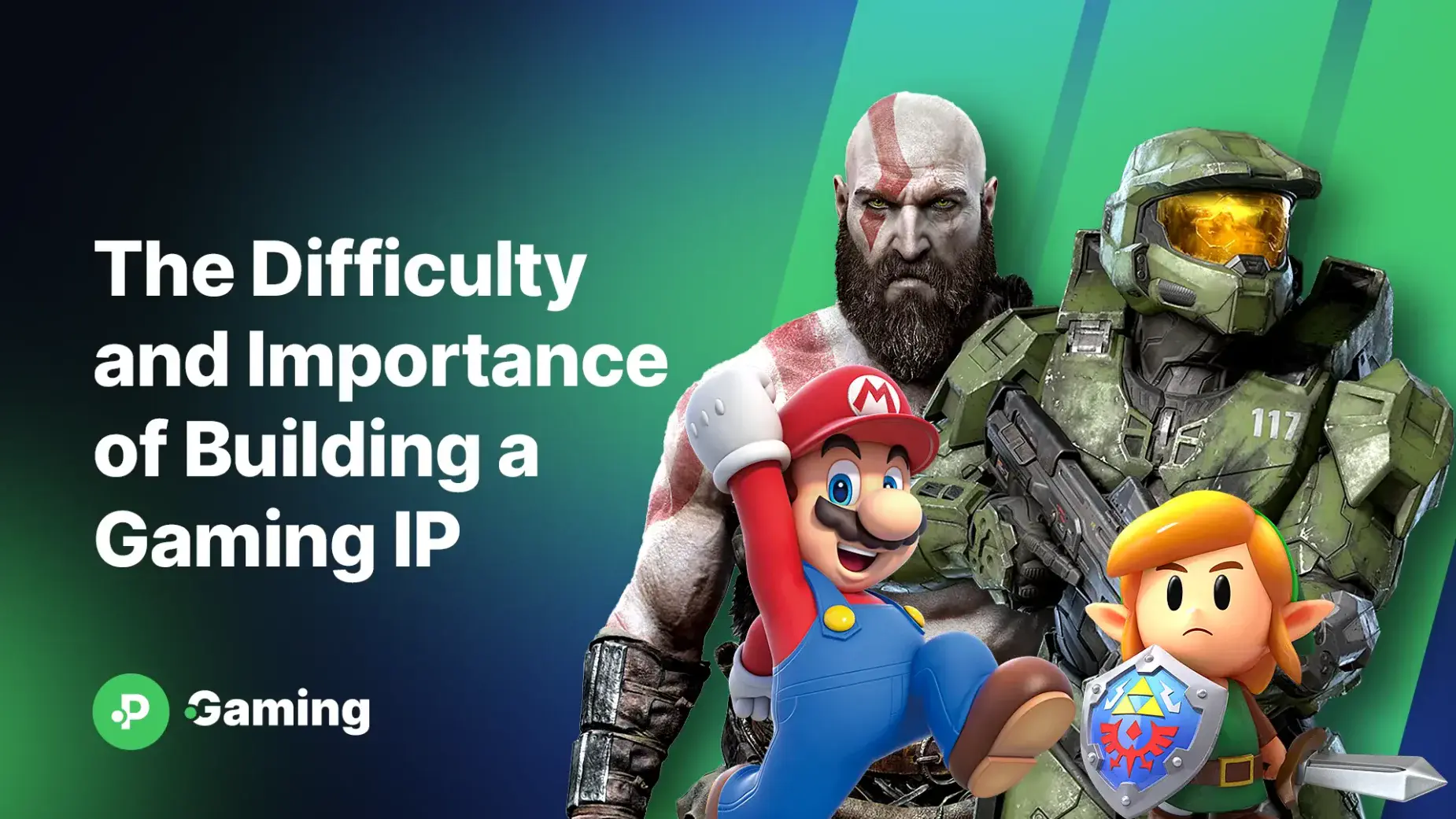
حقوق مؤلف و کپیرایت: حقوق مؤلف در صنعت گیمینگ طیف وسیعی از آثار را شامل میشود. کدهای منبع که قلب تپنده هر بازی محسوب میشوند، از این نوع حمایت برخوردارند. اما تنها به کدها محدود نمیشوند. تصاویر گرافیکی که گاهی سالها کار هنرمندان ماهر را در بر میگیرند، موسیقیهایی که توسط آهنگسازان مطرح ساخته میشوند، متون و داستانهایی که نویسندگان خلاق خلق میکنند، و حتی انیمیشنها و جلوههای ویژه، همگی تحت پوشش حقوق مؤلف قرار دارند.
جالب توجه است که برخلاف سایر انواع مالکیت فکری، حقوق مؤلف نیازی به ثبت رسمی ندارند و از لحظه خلق اثر وجود دارند. این ویژگی باعث میشود که حتی کوچکترین عناصر خلاقانه یک بازی نیز از حمایت قانونی برخوردار باشند.
علائم تجاری و شناسههای برند: در دنیای بازیها، علائم تجاری نقش حیاتی در شناساندن و تمایز محصولات ایفا میکنند. نام بازیهایی مانند "Call of Duty" یا "FIFA"، لوگوهای شرکتهای بزرگ مانند Activision یا EA، و حتی شخصیتهای محبوب مانند ماریو یا سونیک، همگی تحت حمایت علائم تجاری قرار دارند.
این علائم تجاری گاهی ارزش میلیاردی دارند و بخش عمدهای از داراییهای معنوی شرکتهای بزرگ گیمینگ را تشکیل میدهند. برای مثال، برند پوکمون که در ابتدا به عنوان یک بازی ساده آغاز شد، امروزه به یکی از ارزشمندترین برندهای دنیا تبدیل شده است.
حقوق اختراع و نوآوریهای فنی: در عصری که فناوری با سرعت نور پیش میرود، نوآوریهای فنی در صنعت گیمینگ نقش تعیینکنندهای دارند. موتورهای گرافیکی پیشرفته که قادر به رندر کردن تصاویری شبیه به واقعیت هستند، الگوریتمهای هوش مصنوعی که رفتار شخصیتهای غیربازیکن را کنترل میکنند، و سیستمهای پیچیده فیزیک که قوانین طبیعت را در دنیای مجازی شبیهسازی میکنند، همگی میتوانند موضوع ثبت اختراع قرار گیرند.
این حوزه به ویژه برای شرکتهای بزرگ فناوری مانند Sony، Microsoft، و Nintendo اهمیت زیادی دارد، زیرا نوآوریهای فنی آنها نه تنها در بازیها، بلکه در کنسولها و پلتفرمهای مختلف نیز کاربرد دارند.
اسرار تجاری و اطلاعات محرمانه: در دنیای رقابتی گیمینگ، اطلاعات محرمانه میتواند تفاوت بین موفقیت و شکست را رقم بزند. کدهای منبع پیچیده، استراتژیهای بازاریابی، اطلاعات مربوط به پروژههای آینده، و روشهای خاص توسعه بازی، همگی اسرار تجاری محسوب میشوند که حفظ آنها برای شرکتها حیاتی است.
یکی از بزرگترین چالشهای صنعت گیمینگ، پدیده کپیبرداری و نقض حقوق مالکیت فکری است. در دنیای دیجیتال، کپی کردن یک اثر تنها با چند کلیک امکانپذیر است، و این سهولت دسترسی، چالشهای جدیدی را پیش روی صاحبان حقوق قرار داده است.
کپیبرداری کامل و بازیهای جعلی: برخی توسعهدهندگان غیرقانونی، بازیهای محبوب را به طور کامل کپی کرده و با تغییرات جزئی در نام یا ظاهر، آنها را به بازار عرضه میکنند. این پدیده نه تنها باعث ضرر مالی سازندگان اصلی میشود، بلکه میتواند به اعتبار و کیفیت برند آنها نیز آسیب جدی وارد کند.
مثال بارز این موضوع، ظهور دهها بازی جعلی شبیه به بازیهای محبوبی مانند "Among Us" یا "Fall Guys" است که پس از محبوبیت این بازیها، فروشگاههای آنلاین را پر کردند. این بازیهای جعلی نه تنها از نظر کیفیت پایینتر بودند، بلکه کاربران را نیز گمراه میکردند.
استفاده غیرمجاز از عناصر بازی: مسئله دیگر، استفاده غیرمجاز از عناصر جداگانه بازیهاست. موسیقی، شخصیتها، تصاویر گرافیکی، و حتی مکانیکهای بازی، اغلب بدون اجازه مالکان در پروژههای دیگر استفاده میشوند. این موضوع برای توسعهدهندگان کوچک و مستقل که منابع محدودی برای پیگیری حقوقی دارند، بسیار مشکلساز است.
مادها و تغییرات کاربران: یکی از جنبههای منحصربهفرد صنعت گیمینگ، وجود فرهنگ "مادینگ" است. بسیاری از بازیها امکان تغییر و شخصیسازی توسط کاربران را فراهم میکنند. این مادها میتوانند از تغییرات ساده ظاهری تا بازسازی کامل بازی متغیر باشند.
اگرچه مادها معمولاً باعث افزایش طول عمر و محبوبیت بازیها میشوند، اما ممکن است مسائل حقوقی پیچیدهای را نیز به همراه داشته باشند. برای مثال، اگر یک ماد از عناصر بازی دیگری استفاده کند، یا اگر مادی تجاری شود، سؤالات مهمی در مورد مالکیت فکری مطرح میشوند.
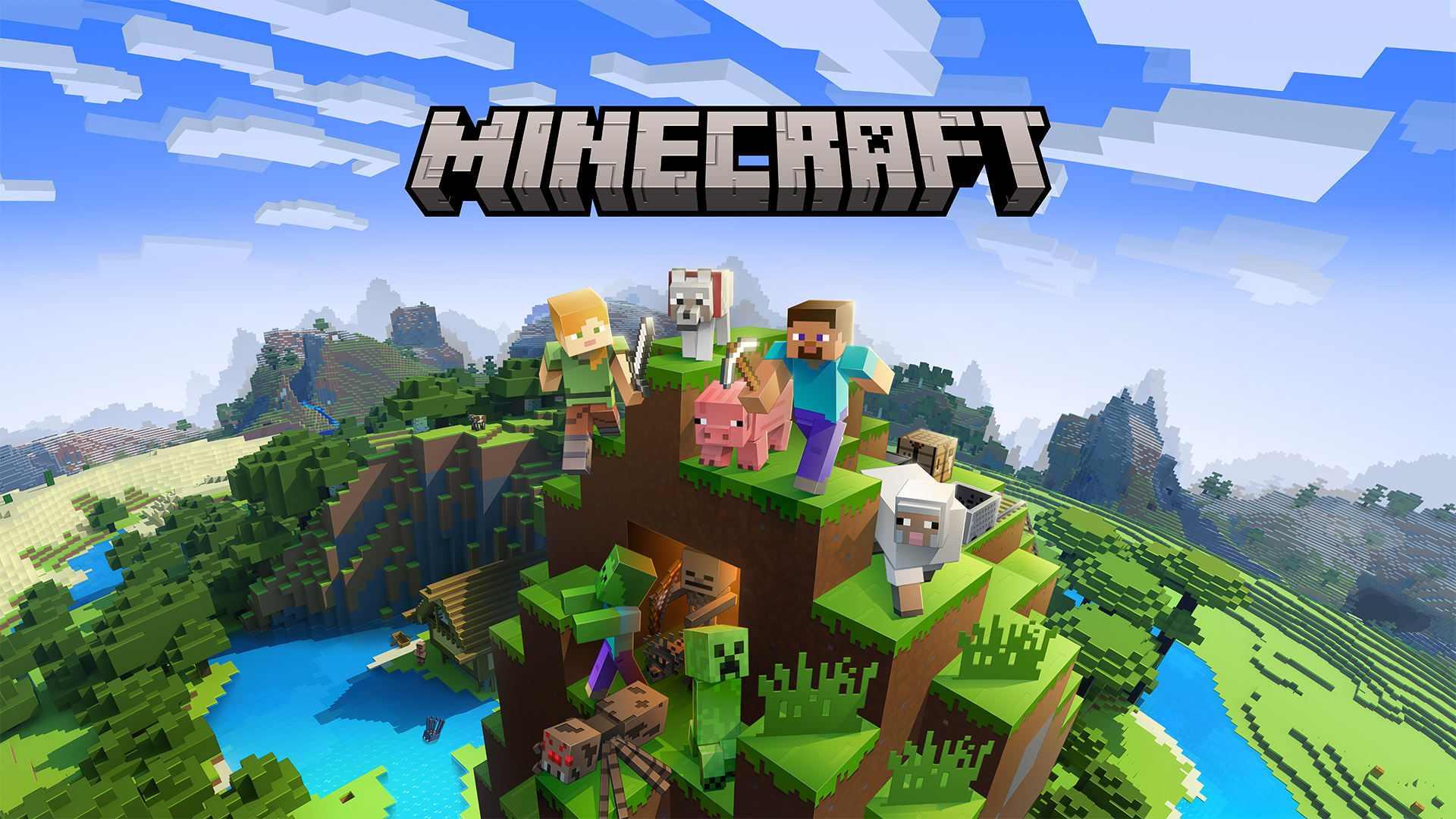
محتوای تولیدشده توسط کاربران (UGC): با ظهور بازیهایی مانند Minecraft، Roblox، و LittleBigPlanet، مرزهای بین توسعهدهنده و کاربر محو شده است. در این بازیها، کاربران میتوانند محتوای اصلی خلق کنند که گاهی از بازی اصلی نیز محبوبتر میشود.
این وضعیت سؤالات پیچیدهای در مورد مالکیت فکری مطرح میکند: آیا محتوای ساخته شده توسط کاربران، متعلق به خود کاربران است یا به شرکت سازنده بازی؟ اگر کاربری از این محتوا درآمد کسب کند، سهم شرکت چقدر است؟ این سؤالات هنوز پاسخهای قطعی ندارند و موضوع بحثهای حقوقی مختلف محسوب میشوند.
واقعیت مجازی و افزوده: فناوریهای VR و AR دنیای جدیدی از امکانات را پیش روی توسعهدهندگان قرار دادهاند، اما همراه با آن، چالشهای حقوقی جدیدی نیز آوردهاند. استفاده از فضاهای واقعی در محیطهای مجازی، بازنمایی اشخاص حقیقی، و تعامل با اشیاء و مکانهای واقعی، همگی میتوانند مسائل حقوقی پیچیدهای را ایجاد کنند.
برای مثال، اگر بازیای در واقعیت افزوده، علائم تجاری واقعی را بدون اجازه نشان دهد، یا اگر در واقعیت مجازی، طراحی یک ساختمان معروف استفاده شود، چه اتفاقی میافتد؟
هوش مصنوعی و خلاقیت ماشینی: شاید پیچیدهترین چالش آینده، مربوط به استفاده از هوش مصنوعی در خلق محتوا باشد. امروزه الگوریتمهای هوش مصنوعی قادر به تولید موسیقی، نقاشی، متن، و حتی کد هستند. اگر هوش مصنوعیای شخصیت جدیدی طراحی کند یا موسیقی منحصربهفردی بسازد، مالکیت این آثار با چه کسی است؟
این سؤال تنها جنبه فلسفی ندارد، بلکه پیامدهای عملی مهمی نیز دارد. شرکتهای بزرگ فناوری مبالغ هنگفتی روی توسعه هوش مصنوعی سرمایهگذاری میکنند، و طبیعی است که بخواهند از نتایج این سرمایهگذاریها محافظت کنند.
بهروزرسانی قوانین برای عصر دیجیتال: یکی از مهمترین ضرورتها، بهروزرسانی قوانین مالکیت فکری برای مطابقت با واقعیتهای صنعت گیمینگ است. قوانین کنونی که عمدتاً برای دنیای فیزیکی طراحی شدهاند، نمیتوانند پاسخگوی پیچیدگیهای دنیای دیجیتال باشند.
نیاز به قوانین جدید برای تعریف مالکیت محتوای تولیدشده توسط کاربران، تنظیم روابط بین پلتفرمها و کاربران، و ایجاد مکانیسمهای عادلانه برای تقسیم درآمد، بیش از پیش احساس میشود. این قوانین باید به گونهای طراحی شوند که هم از حقوق سازندگان محافظت کنند و هم مانع از خلاقیت و نوآوری نشوند.
همکاری بینالمللی و استانداردسازی: با توجه به ماهیت جهانی صنعت گیمینگ، همکاری بین کشورها برای ایجاد استانداردهای مشترک ضروری است. یک بازی که در یک کشور توسعه مییابد، ممکن است در دهها کشور دیگر توزیع شود، و هر کدام از این کشورها قوانین متفاوتی دارند.
ایجاد پلتفرمهای بینالمللی برای گزارش و پیگیری نقض حقوق، تنظیم معاهدات چندجانبه برای حمایت از مالکیت فکری، و ایجاد دادگاههای تخصصی برای رسیدگی به اختلافات مربوط به صنعت گیمینگ، از جمله راهکارهای پیشنهادی هستند.
سیستمهای مدیریت حقوق دیجیتال (DRM) پیشرفته: فناوریهای DRM نسل جدید فراتر از محدودیتهای ساده کپیبرداری عمل میکنند. این سیستمها قادر به نظارت بر نحوه استفاده از بازی، شناسایی الگوهای مشکوک، و حتی حفاظت از اجزای خاص بازی هستند.
مثلاً سیستمهای DRM مدرن میتوانند موسیقی یک بازی را تنها در زمان بازی قابل دسترس کنند و از استفاده آن در پروژههای دیگر جلوگیری نمایند. همچنین قادر به شناسایی تغییرات غیرمجاز در کد بازی و غیرفعال کردن بخشهایی از بازی که تحت حمایت خاص قرار دارند، هستند.
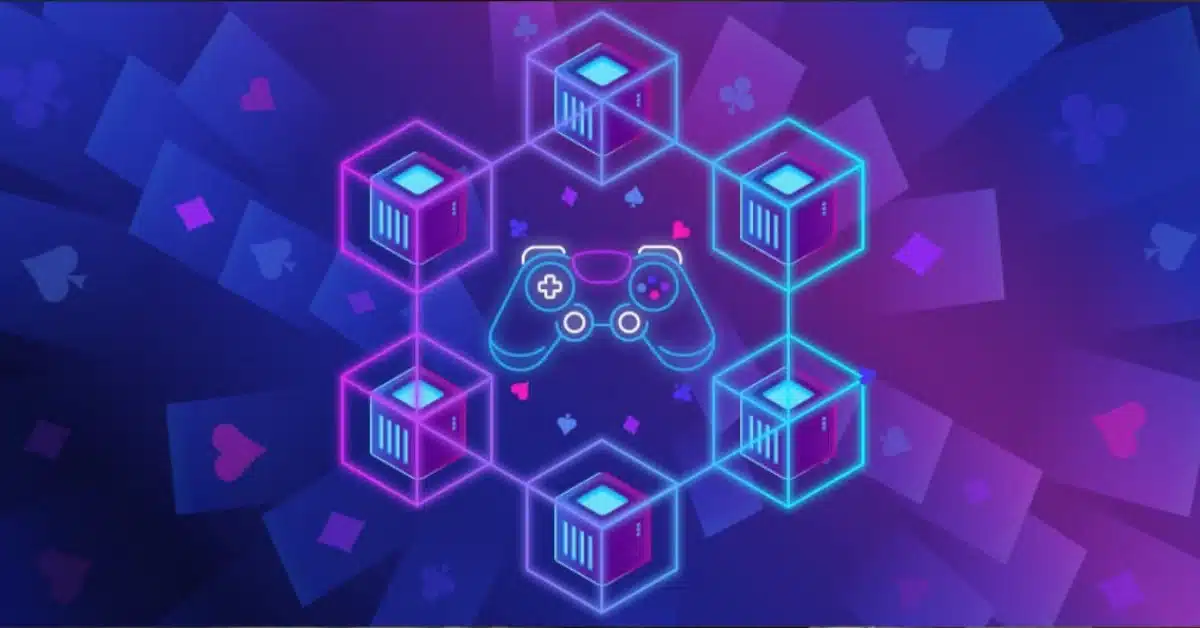
فناوری بلاکچین و دفتر کل توزیعشده: بلاکچین پتانسیل انقلابی در حوزه مالکیت فکری دارد. این فناوری امکان ثبت غیرقابل تغییر مالکیت آثار، ردیابی انتقال حقوق، و حتی اجرای خودکار قراردادهای مالکیت فکری را فراهم میکند.
در عمل، میتوان از بلاکچین برای ایجاد "گواهی مالکیت دیجیتال" برای هر اثر خلاقانه استفاده کرد. این گواهیها نه تنها غیرقابل جعل هستند، بلکه امکان تعیین سطوح مختلف دسترسی و استفاده را نیز فراهم میکنند.
هوش مصنوعی برای شناسایی نقض حقوق: پارادوکس جالبی وجود دارد: همان فناوری هوش مصنوعی که ممکن است باعث پیچیدگیهای جدید در مالکیت فکری شود، میتواند ابزار قدرتمندی برای محافظت از این حقوق نیز باشد.
الگوریتمهای هوش مصنوعی قادر به تحلیل میلیونها بازی و شناسایی شباهتهای مشکوک هستند. این سیستمها میتوانند نه تنها کپیبرداری مستقیم، بلکه شباهتهای ظریفتر در طراحی، موسیقی، یا مکانیکهای بازی را نیز تشخیص دهند.
آموزش توسعهدهندگان: یکی از مؤثرترین راهها برای کاهش نقض حقوق مالکیت فکری، آموزش درست توسعهدهندگان است. بسیاری از نقضها نه از روی سوء نیت، بلکه به دلیل عدم آگاهی از قوانین و مقررات رخ میدهند.
برگزاری کارگاههای آموزشی، ایجاد دورههای آنلاین، انتشار راهنماهای عملی، و حتی ادغام آموزش مالکیت فکری در برنامههای دانشگاهی، میتواند به افزایش آگاهی کمک شایانی کند.
فرهنگسازی در میان کاربران: کاربران نهایی نیز نقش مهمی در حفظ حقوق مالکیت فکری دارند. ایجاد فرهنگ احترام به خلاقیت و نوآوری، آموزش مفاهیم اساسی مالکیت فکری، و نشان دادن تأثیر مثبت حمایت از سازندگان، میتواند محیط سالمتری برای رشد صنعت ایجاد کند.
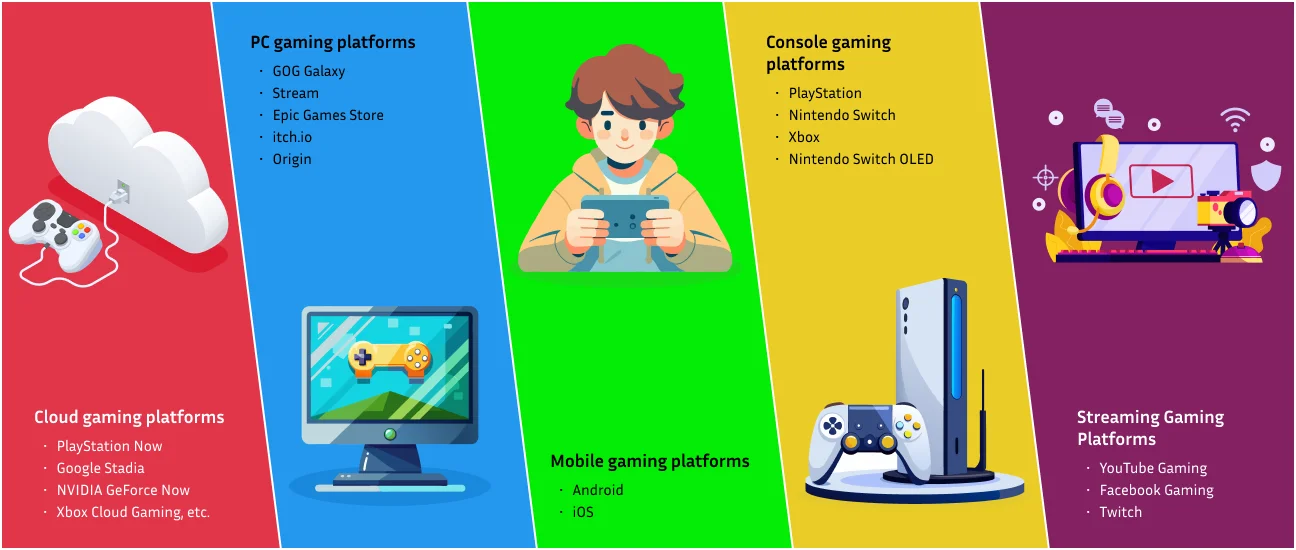
پلتفرمهای توزیع دیجیتال مانند Steam، Epic Games Store، PlayStation Store، و Xbox Live، نقش حیاتی در اکوسیستم مالکیت فکری صنعت گیمینگ ایفا میکنند. این پلتفرمها نه تنها نقطه تماس اصلی بین سازندگان و کاربران هستند، بلکه به عنوان اولین خط دفاع در برابر نقض حقوق نیز عمل میکنند.
سیستمهای گزارش و پیگیری: پلتفرمهای مدرن سیستمهای پیچیدهای برای دریافت و بررسی گزارشهای نقض حقوق مالکیت فکری دارند. این سیستمها معمولاً شامل فرآیندهای خودکار شناسایی محتوای مشکوک، بررسی دستی توسط کارشناسان، و مکانیسمهای اعتراض برای سازندگان هستند.
حمایت از توسعهدهندگان کوچک: یکی از مهمترین نقشهای این پلتفرمها، حمایت از توسعهدهندگان مستقل و کوچک است. این توسعهدهندگان اغلب منابع لازم برای پیگیری حقوقی ندارند، و پلتفرمها میتوانند با ارائه ابزارها و خدمات حمایتی، از آنها محافظت کنند.
توزیع عادلانه درآمد: یکی از چالشهای مهم، توزیع عادلانه درآمد بین مختلف ذینفعان است. در یک بازی مدرن، ممکن است دهها نفر از آهنگسازان، هنرمندان، برنامهنویسان، و سایر متخصصان دخیل باشند. پلتفرمها در حال توسعه سیستمهایی هستند که بتوانند این توزیع را به صورت خودکار و شفاف انجام دهند.
مدلهای جدید مالکیت: برخی پلتفرمها در حال آزمایش مدلهای جدیدی از مالکیت هستند که در آن کاربران نیز میتوانند در درآمد بازیها سهیم شوند. این مدلها به ویژه برای بازیهایی که به شدت متکی بر محتوای تولیدشده توسط کاربران هستند، مناسب به نظر میرسند.
بازیهای مستقل اگرچه بخش حیاتی و خلاق صنعت گیمینگ محسوب میشوند، اما به دلیل محدودیتهای مالی و منابع انسانی، بیشتر در معرض تهدیدات مالکیت فکری قرار دارند. یک استودیوی مستقل ممکن است سالها روی یک پروژه کار کند، اما قدرت مقابله با کپیبرداری یا نقض حقوق را نداشته باشد.
مسائل خاص حقوقی: توسعهدهندگان مستقل اغلب با مسائل حقوقی پیچیدهای روبرو میشوند که برای آنها ناآشنا هستند. مثلاً استفاده از فونتها، تصاویر، موسیقی، یا حتی ایدههایی که ممکن است تحت حمایت مالکیت فکری باشند، میتواند آنها را در مخاطره قرار دهد.
شبکههای حمایتی: ایجاد شبکههای حمایتی برای توسعهدهندگان مستقل یکی از راهکارهای مؤثر است. این شبکهها میتوانند شامل مشاوره حقوقی رایگان، بیمه حقوقی، و حتی صندوقهای کمک مالی برای پیگیری دعاوی باشند.
ابزارهای ساده و قابل دسترس: توسعه ابزارهای ساده و قابل دسترس برای محافظت از مالکیت فکری میتواند تفاوت چشمگیری در وضعیت توسعهدهندگان مستقل ایجاد کند. این ابزارها میتوانند شامل سیستمهای خودکار ثبت آثار، پلتفرمهای بررسی قانونی محتوا، و حتی هوش مصنوعیهایی باشند که بتوانند خطرات بالقوه حقوقی را شناسایی کنند.
متاورس و دنیاهای مجازی: ورود به عصر متاورس، چالشها و فرصتهای بینظیری را در حوزه مالکیت فکری ایجاد خواهد کرد. در دنیایی که مرزهای بین بازیهای مختلف محو میشود و کاربران میتوانند داراییهای دیجیتال خود را بین پلتفرمهای مختلف منتقل کنند، تعریف مالکیت پیچیدهتر خواهد شد.
تصور کنید کاربری در یک بازی، شخصیت یا آیتم منحصربهفردی خلق کند و بخواهد آن را در بازی دیگری نیز استفاده کند. در این صورت، حقوق مالکیت بر این شخصیت یا آیتم با چه کسی است؟ این سؤال تنها نمونهای از پیچیدگیهایی است که متاورس با خود خواهد آورد.
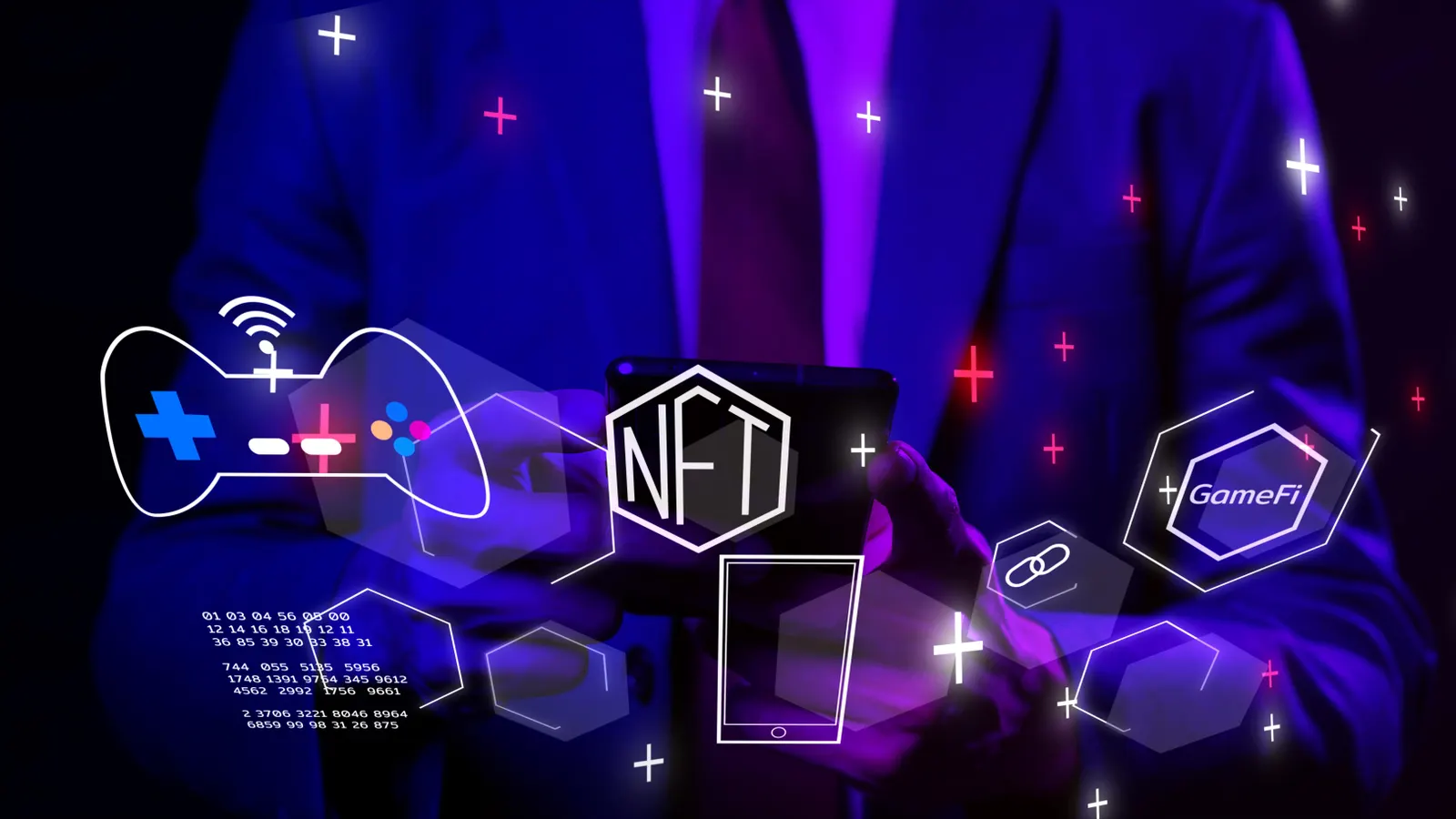
NFT و داراییهای دیجیتال: فناوری NFT (توکنهای غیرقابل تعویض) پتانسیل انقلابی در مالکیت دیجیتال دارد. این فناوری امکان ایجاد "گواهی مالکیت" منحصربهفرد برای هر دارایی دیجیتال را فراهم میکند. در صنعت گیمینگ، این فناوری میتواند برای آیتمهای بازی، شخصیتها، زمینهای مجازی، و حتی کل بازیها استفاده شود.
اما استفاده از NFT نیز چالشهای خاص خود را دارد. مسائلی مانند پایداری محیط زیست، قابلیت انطباق بین پلتفرمها، و حفاظت از حقوق سازندگان اصلی، همگی باید در نظر گرفته شوند.
یادگیری ماشین و تولید محتوای خودکار: با پیشرفت الگوریتمهای یادگیری ماشین، قابلیت تولید محتوای خودکار به طور چشمگیری افزایش یافته است. امروزه الگوریتمهایی وجود دارند که قادر به تولید موسیقی، طراحی شخصیت، نوشتن داستان، و حتی کدنویسی هستند.
این پیشرفتها سؤالات بنیادی درباره ماهیت خلاقیت و مالکیت فکری مطرح میکنند. اگر هوش مصنوعیای که توسط شرکت A آموزش داده شده، اثری خلق کند که شبیه به اثر شرکت B است، مسئولیت با چه کسی است؟ آیا میتوان هوش مصنوعی را مالک اثری دانست؟ این سؤالات نه تنها از جنبه فلسفی، بلکه از نظر عملی و حقوقی نیز بسیار مهم هستند.
تغییر در نگرش به مالکیت: نسل جدید کاربران که با فناوریهای دیجیتال بزرگ شدهاند، نگرش متفاوتی نسبت به مالکیت فکری دارند. برای آنها، مفاهیمی مانند "اشتراکگذاری"، "ریمیکس"، و "همکاری" اهمیت بیشتری از "مالکیت انحصاری" دارد.
این تغییر نگرش میتواند باعث ایجاد مدلهای جدیدی از مالکیت فکری شود که بیشتر بر اشتراک منافع و همکاری متقابل متمرکز باشند تا انحصار و محدودیت.
جامعهمحوری و تولید محتوای جمعی: بازیهایی مانند Minecraft، Roblox، و Dreams نشان دادهاند که جامعه کاربران میتواند محتوای بینظیر و خلاقانهای تولید کند. این روند احتمالاً در آینده تقویت خواهد شد و مدلهای جدیدی از همکاری بین سازندگان حرفهای و کاربران عادی پدید خواهد آورد.
استانداردهای باز: یکی از راهکارهای مهم برای آینده، ایجاد استانداردهای باز برای مالکیت فکری در صنعت گیمینگ است. این استانداردها باید به گونهای طراحی شوند که انعطاف لازم برای نوآوری را فراهم کنند و در عین حال از حقوق سازندگان محافظت نمایند.
لایسنسهای انعطافپذیر: توسعه مدلهای لایسنسدهی جدید که امکان استفاده منعطف از آثار را فراهم میکنند، میتواند به حل بسیاری از مشکلات کمک کند. این لایسنسها میتوانند شامل سطوح مختلف دسترسی، مکانیسمهای تقسیم درآمد، و حتی شرایط خاص برای استفادههای غیرتجاری باشند.
سیستمهای نظارت هوشمند: آینده مالکیت فکری در گیمینگ احتمالاً شاهد ظهور سیستمهای نظارت هوشمند خواهد بود که قادر به تحلیل همزمان میلیونها محتوا و شناسایی نقضهای بالقوه هستند. این سیستمها نه تنها قادر به شناسایی کپیبرداری مستقیم، بلکه تشخیص الهامهای مشکوک و حتی پیشبینی نقضهای آینده خواهند بود.
ابزارهای خودکار حل اختلاف: با افزایش حجم محتوا و پیچیدگی اختلافات، نیاز به ابزارهای خودکار حل اختلاف بیش از پیش احساس میشود. این ابزارها میتوانند بر پایه هوش مصنوعی و الگوریتمهای پیچیده، راهحلهای عادلانه و سریع برای اختلافات مالکیت فکری ارائه دهند.
دولتها نقش حیاتی در شکلدهی آینده مالکیت فکری در صنعت گیمینگ دارند. سیاستهایی که امروز اتخاذ میشوند، تأثیر مستقیمی بر نوآوری، رقابت، و رشد این صنعت در دهههای آینده خواهند داشت.
تعادل بین حمایت و نوآوری: یکی از مهمترین چالشها برای سیاستگذاران، یافتن تعادل درست بین حمایت از حقوق سازندگان و تشویق نوآوری است. قوانین بیش از حد سختگیرانه میتوانند مانع از خلاقیت شوند، در حالی که قوانین بیش از حد آزاد ممکن است انگیزه سرمایهگذاری در تحقیق و توسعه را کاهش دهند.
حمایت از استارتاپها و توسعهدهندگان کوچک: دولتها میتوانند با ارائه مشوقهای مالی، برگزاری برنامههای آموزشی، و ایجاد زیرساختهای حمایتی، محیط مناسبی برای رشد توسعهدهندگان کوچک و استارتاپهای گیمینگ فراهم کنند.
معاهدات و توافقنامههای چندجانبه: با توجه به ماهیت جهانی صنعت گیمینگ، نیاز به معاهدات بینالمللی جامع برای حمایت از مالکیت فکری بیش از پیش احساس میشود. این معاهدات باید نه تنها حقوق سازندگان را حمایت کنند، بلکه مکانیسمهای عملی برای اجرای این حمایت نیز ارائه دهند.
ایجاد نهادهای تخصصی: تشکیل سازمانهای بینالمللی تخصصی برای نظارت بر مالکیت فکری در صنعت گیمینگ میتواند به هماهنگی بهتر سیاستها و اجرای مؤثرتر قوانین کمک کند.
صنعت گیمینگ به دلیل تأثیر گستردهای که بر جامعه دارد، مسئولیتهای اجتماعی خاصی بر عهده دارد. این مسئولیتها در حوزه مالکیت فکری نیز نمود پیدا میکنند.
دسترسی عادلانه به فناوری: یکی از سؤالات مهم این است که چگونه میتوان اطمینان حاصل کرد که پیشرفتهای فناورانه و نوآوریها در دسترس همه قرار گیرند، نه تنها شرکتهای بزرگ و ثروتمند. این موضوع به ویژه در مورد فناوریهای بنیادی مانند موتورهای گرافیکی یا الگوریتمهای هوش مصنوعی اهمیت دارد.
حفظ تنوع فرهنگی: مالکیت فکری نباید مانع از بازتاب تنوع فرهنگی در بازیها شود. بلکه باید راهکارهایی اندیشیده شود که هم از حقوق فرهنگهای بومی محافظت کند و هم امکان الهام و تبادل فرهنگی را فراهم نماید.
شفافیت در الگوریتمها: با افزایش استفاده از هوش مصنوعی در تولید محتوا، ضرورت شفافیت در نحوه کار این الگوریتمها بیش از پیش احساس میشود. کاربران حق دارند بدانند که محتوایی که مصرف میکنند، توسط انسان ساخته شده یا توسط ماشین.
تعصب و تبعیض: الگوریتمهای هوش مصنوعی ممکن است تعصبات موجود در دادههای آموزشی خود را بازتولید کنند. این موضوع در صنعت گیمینگ که قطرهای از زندگی اجتماعی را منعکس میکند، اهمیت دوچندانی دارد.
مستندسازی دقیق: یکی از مهمترین کارهایی که توسعهدهندگان میتوانند انجام دهند، مستندسازی دقیق فرآیند خلق آثارشان است. این مستندات میتوانند در مواقع بروز اختلاف، نقش تعیینکنندهای ایفا کنند.
استفاده از منابع قانونی: اطمینان از قانونی بودن تمام منابع استفاده شده در بازی، از جمله موسیقی، تصاویر، فونتها، و حتی ایدهها، امر حیاتی است. این کار نه تنها از مشکلات حقوقی جلوگیری میکند، بلکه اعتبار حرفهای توسعهدهنده را نیز حفظ مینماید.
همکاری با متخصصان حقوقی: مشورت با وکلای متخصص در حوزه مالکیت فکری، حتی برای توسعهدهندگان کوچک، سرمایهگذاری ارزشمندی محسوب میشود. این مشورت میتواند از مشکلات بزرگ آینده جلوگیری کند.
پلتفرمهای منابع رایگان: استفاده از پلتفرمهایی که منابع قانونی و رایگان ارائه میدهند، مانند Creative Commons، میتواند بسیار مفید باشد. این پلتفرمها طیف وسیعی از موسیقی، تصاویر، و سایر محتواهای قابل استفاده را در اختیار توسعهدهندگان قرار میدهند.
ابزارهای بررسی قانونی: استفاده از ابزارهای خودکار بررسی قانونی میتواند به شناسایی مشکلات بالقوه کمک کند. این ابزارها قادر به تحلیل محتوای بازی و تشخیص موارد مشکوک هستند.
حقوق مالکیت فکری در صنعت گیمینگ در یک نقطه عطف تاریخی قرار دارد. از یک سو، فناوریهای نوظهور امکانات بینظیری برای خلاقیت و نوآوری فراهم آوردهاند، و از سوی دیگر، پیچیدگیها و چالشهای جدیدی نیز پدید آمدهاند که نیازمند راهحلهای هوشمندانه و متعادل هستند.
موفقیت در این عرصه مستلزم همکاری تمام ذینفعان است: توسعهدهندگان که باید آگاهی و مسئولیت خود را افزایش دهند، دولتها که باید قوانین متعادل و کارآمد وضع کنند، پلتفرمها که باید ابزارها و خدمات حمایتی ارائه دهند، و کاربران که باید فرهنگ احترام به خلاقیت و نوآوری را پرورش دهند.
آینده صنعت گیمینگ وابسته به این است که چگونه این تعادل ظریف بین حمایت از حقوق و تشویق نوآوری را حفظ کنیم. اگر بتوانیم راهکارهای خلاقانه و منعطفی پیدا کنیم که هم از حقوق سازندگان محافظت کند و هم فضای باز و پویایی برای خلاقیت فراهم نماید، شاهد دوران طلایی جدیدی در صنعت گیمینگ خواهیم بود.
در این مسیر، فناوری نقش دوگانهای ایفا میکند: هم به عنوان منبع چالش و هم به عنوان ابزار راهحل. هوش مصنوعی، بلاکچین، و سایر فناوریهای نوظهور اگر به درستی به کار گرفته شوند، میتوانند آیندهای روشن و امیدوارکننده برای مالکیت فکری در دنیای بازیهای دیجیتال رقم بزنند.
در پایان، باید یادآوری کرد که مالکیت فکری نه هدف، بلکه ابزاری برای تشویق خلاقیت و نوآوری است. هدف نهایی، ایجاد دنیایی است که در آن سازندگان انگیزه و امکان خلق آثار بینظیر داشته باشند، و کاربران بتوانند از این آثار به بهترین شکل ممکن بهرهمند شوند. تحقق این هدف مستلزم تلاش مشترک، درک متقابل، و پذیرش این واقعیت است که در دنیای متصل امروز، موفقیت تنها از طریق همکاری و احترام متقابل امکانپذیر است.
Introduction: A Revolution in the Entertainment World
Once, video games were considered merely simple entertainment, but today they have become one of the largest and most influential industries in the world. According to published statistics, the gaming industry, with revenues exceeding $180 billion, has even surpassed the film and music industries. This remarkable growth, alongside technological advances, has created new challenges and opportunities in the field of intellectual property rights.
In this complex world, where do the boundaries of intellectual property lie? How can we protect creativity and innovation while not hindering the growth and expansion of this industry? These questions are only a small part of the complex problems that developers, legal experts, and decision-makers face today.
Intellectual property in the field of digital games is a multifaceted concept that operates beyond traditional perceptions. This concept encompasses all creative elements that play a role in the process of designing, developing, and distributing a game. From complex programming codes to beautiful musical scores, from unique character designs to the intricate architecture of virtual worlds.
In fact, each modern game is a collection of dozens, hundreds, and sometimes thousands of creative works, each with its own owner and specific rights. This complexity doubles when modern games use various technologies such as artificial intelligence, virtual reality, and user-generated content.
Copyright and Author Rights: Copyright in the gaming industry covers a wide range of works. Source codes, which are considered the beating heart of every game, benefit from this type of protection. But they are not limited to codes alone. Graphic images that sometimes encompass years of skilled artists' work, music created by renowned composers, texts and stories crafted by creative writers, and even animations and special effects are all covered under copyright protection.
Interestingly, unlike other types of intellectual property, copyright does not require formal registration and exists from the moment of creation. This feature ensures that even the smallest creative elements of a game are legally protected.
Trademarks and Brand Identifiers: In the world of games, trademarks play a vital role in identifying and distinguishing products. Game names like "Call of Duty" or "FIFA," logos of major companies like Activision or EA, and even beloved characters like Mario or Sonic are all protected under trademark law.
These trademarks sometimes have billion-dollar values and constitute a major portion of the intangible assets of large gaming companies. For example, the Pokémon brand, which initially started as a simple game, has today become one of the most valuable brands in the world.
Patent Rights and Technical Innovations: In an era where technology advances at the speed of light, technical innovations in the gaming industry play a decisive role. Advanced graphics engines capable of rendering images similar to reality, artificial intelligence algorithms that control non-player character behavior, and complex physics systems that simulate natural laws in virtual worlds can all be subject to patent registration.
This field is particularly important for large technology companies like Sony, Microsoft, and Nintendo, as their technical innovations are used not only in games but also in various consoles and platforms.
Trade Secrets and Confidential Information: In the competitive world of gaming, confidential information can make the difference between success and failure. Complex source codes, marketing strategies, information about future projects, and specific game development methods are all considered trade secrets whose preservation is vital for companies.
One of the biggest challenges facing the gaming industry is the phenomenon of copying and intellectual property rights infringement. In the digital world, copying a work is possible with just a few clicks, and this ease of access has posed new challenges for rights holders.
Complete Copying and Counterfeit Games: Some illegal developers completely copy popular games and, with minor changes in name or appearance, offer them to the market. This phenomenon not only causes financial damage to original creators but can also seriously harm their brand credibility and quality.
A clear example of this issue is the emergence of dozens of counterfeit games similar to popular games like "Among Us" or "Fall Guys" that flooded online stores after these games became popular. These counterfeit games were not only lower in quality but also misled users.
Unauthorized Use of Game Elements: Another issue is the unauthorized use of separate game elements. Music, characters, graphic images, and even game mechanics are often used without permission from owners in other projects. This issue is very problematic for small and independent developers who have limited resources for legal pursuit.
Mods and User Modifications: One of the unique aspects of the gaming industry is the existence of "modding" culture. Many games provide the possibility of modification and customization by users. These mods can range from simple visual changes to complete game reconstruction.
Although mods usually increase the lifespan and popularity of games, they may also bring complex legal issues. For example, if a mod uses elements from another game, or if a mod becomes commercial, important questions about intellectual property arise.
User-Generated Content (UGC): With the emergence of games like Minecraft, Roblox, and LittleBigPlanet, the boundaries between developer and user have blurred. In these games, users can create original content that sometimes becomes more popular than the original game itself.
This situation raises complex questions about intellectual property: Does content created by users belong to the users themselves or to the game's manufacturer? If a user earns income from this content, what is the company's share? These questions still don't have definitive answers and are the subject of various legal discussions.
Virtual and Augmented Reality: VR and AR technologies have opened up a new world of possibilities for developers, but along with them, they have brought new legal challenges. Using real spaces in virtual environments, representing real people, and interacting with real objects and places can all create complex legal issues.
For example, if an augmented reality game displays real trademarks without permission, or if a virtual reality game uses the design of a famous building, what happens?
Artificial Intelligence and Machine Creativity: Perhaps the most complex future challenge relates to the use of artificial intelligence in content creation. Today, AI algorithms are capable of producing music, paintings, text, and even code. If an AI designs a new character or creates unique music, who owns these works?
This question has not only philosophical aspects but also important practical implications. Large technology companies invest huge amounts in AI development, and it's natural that they want to protect the results of these investments.
Updating Laws for the Digital Age: One of the most important necessities is updating intellectual property laws to match the realities of the gaming industry. Current laws, which are mainly designed for the physical world, cannot respond to the complexities of the digital world.
The need for new laws to define ownership of user-generated content, regulate relationships between platforms and users, and create fair mechanisms for revenue sharing is increasingly felt. These laws should be designed to both protect creators' rights and not hinder creativity and innovation.
International Cooperation and Standardization: Given the global nature of the gaming industry, cooperation between countries to create common standards is essential. A game developed in one country may be distributed in dozens of other countries, each with different laws.
Creating international platforms for reporting and tracking rights violations, establishing multilateral treaties for intellectual property protection, and creating specialized courts for handling gaming industry disputes are among the proposed solutions.
Advanced Digital Rights Management (DRM) Systems: Next-generation DRM technologies operate beyond simple copy restrictions. These systems are capable of monitoring game usage, identifying suspicious patterns, and even protecting specific parts of games.
For example, modern DRM systems can make a game's music accessible only during gameplay and prevent its use in other projects. They are also capable of identifying unauthorized changes in game code and disabling parts of the game under special protection.
Blockchain Technology and Distributed Ledger: Blockchain has revolutionary potential in the field of intellectual property. This technology enables immutable registration of work ownership, tracking rights transfers, and even automatic execution of intellectual property contracts.
In practice, blockchain can be used to create "digital ownership certificates" for every creative work. These certificates are not only unforgeable but also provide the ability to set different levels of access and usage.
Artificial Intelligence for Rights Violation Detection: There's an interesting paradox: the same AI technology that might cause new complexities in intellectual property can also be a powerful tool for protecting these rights.
AI algorithms are capable of analyzing millions of games and identifying suspicious similarities. These systems can detect not only direct copying but also subtler similarities in design, music, or game mechanics.
Developer Education: One of the most effective ways to reduce intellectual property violations is proper education of developers. Many violations occur not out of malice but due to lack of awareness of laws and regulations.
Organizing educational workshops, creating online courses, publishing practical guides, and even integrating intellectual property education into university programs can significantly help increase awareness.
Culture Building Among Users: End users also play an important role in preserving intellectual property rights. Creating a culture of respect for creativity and innovation, teaching basic intellectual property concepts, and showing the positive impact of supporting creators can create a healthier environment for industry growth.
Digital distribution platforms like Steam, Epic Games Store, PlayStation Store, and Xbox Live play a vital role in the intellectual property ecosystem of the gaming industry. These platforms are not only the main point of contact between creators and users but also act as the first line of defense against rights violations.
Reporting and Tracking Systems: Modern platforms have complex systems for receiving and reviewing intellectual property violation reports. These systems usually include automated processes for identifying suspicious content, manual review by experts, and appeal mechanisms for creators.
Supporting Small Developers: One of the most important roles of these platforms is supporting independent and small developers. These developers often lack the necessary resources for legal pursuit, and platforms can protect them by providing supportive tools and services.
Fair Revenue Distribution: One of the important challenges is fair revenue distribution among various stakeholders. In a modern game, dozens of composers, artists, programmers, and other specialists may be involved. Platforms are developing systems that can perform this distribution automatically and transparently.
New Ownership Models: Some platforms are testing new ownership models where users can also share in game revenues. These models seem particularly suitable for games that heavily rely on user-generated content.
Although independent games are considered a vital and creative part of the gaming industry, they are more exposed to intellectual property threats due to financial limitations and human resources. An independent studio might work on a project for years but lack the power to combat copying or rights violations.
Specific Legal Issues: Independent developers often face complex legal issues that are unfamiliar to them. For example, using fonts, images, music, or even ideas that might be under intellectual property protection can put them at risk.
Support Networks: Creating support networks for independent developers is one of the effective solutions. These networks can include free legal consultation, legal insurance, and even financial aid funds for pursuing lawsuits.
Simple and Accessible Tools: Developing simple and accessible tools for intellectual property protection can make a significant difference in the situation of independent developers. These tools can include automatic work registration systems, content legal review platforms, and even AI that can identify potential legal risks.
Metaverse and Virtual Worlds: Entering the metaverse era will create unprecedented challenges and opportunities in the field of intellectual property. In a world where boundaries between different games blur and users can transfer their digital assets between different platforms, the definition of ownership will become more complex.
Imagine a user creating a unique character or item in one game and wanting to use it in another game. In this case, who owns the intellectual property rights to this character or item? This question is just an example of the complexities that the metaverse will bring.
NFTs and Digital Assets: NFT (Non-Fungible Token) technology has revolutionary potential in digital ownership. This technology enables creating unique "ownership certificates" for every digital asset. In the gaming industry, this technology can be used for game items, characters, virtual lands, and even entire games.
However, using NFTs also has its own specific challenges. Issues such as environmental sustainability, cross-platform compatibility, and protecting original creators' rights must all be considered.
Machine Learning and Automatic Content Generation: With the advancement of machine learning algorithms, the capability of automatic content generation has increased dramatically. Today, there are algorithms capable of producing music, designing characters, writing stories, and even coding.
These advances raise fundamental questions about the nature of creativity and intellectual property. If an AI trained by company A creates a work similar to company B's work, who is responsible? Can AI be considered the owner of a work? These questions are very important not only philosophically but also practically and legally.
Changing Attitudes Toward Ownership: The new generation of users who grew up with digital technologies has a different attitude toward intellectual property. For them, concepts like "sharing," "remix," and "collaboration" are more important than "exclusive ownership."
This attitude change can lead to new models of intellectual property that focus more on benefit sharing and mutual cooperation rather than exclusivity and restrictions.
Community-Centrism and Collective Content Production: Games like Minecraft, Roblox, and Dreams have shown that the user community can produce unique and creative content. This trend will likely strengthen in the future and create new models of collaboration between professional creators and ordinary users.
Open Standards: One of the important solutions for the future is creating open standards for intellectual property in the gaming industry. These standards should be designed to provide the necessary flexibility for innovation while protecting creators' rights.
Flexible Licenses: Developing new licensing models that enable flexible use of works can help solve many problems. These licenses can include different levels of access, revenue-sharing mechanisms, and even special conditions for non-commercial uses.
Smart Monitoring Systems: The future of intellectual property in gaming will likely witness the emergence of smart monitoring systems capable of simultaneously analyzing millions of contents and identifying potential violations. These systems will be able to detect not only direct copying but also suspicious inspirations and even predict future violations.
Automatic Dispute Resolution Tools: With increasing content volume and dispute complexity, the need for automatic dispute resolution tools is increasingly felt. These tools can provide fair and quick solutions for intellectual property disputes based on artificial intelligence and complex algorithms.
Governments play a vital role in shaping the future of intellectual property in the gaming industry. Policies adopted today will have a direct impact on innovation, competition, and growth of this industry in the coming decades.
Balance Between Protection and Innovation: One of the most important challenges for policymakers is finding the right balance between protecting creators' rights and encouraging innovation. Overly strict laws can hinder creativity, while overly liberal laws might reduce the incentive for research and development investment.
Supporting Startups and Small Developers: Governments can provide a suitable environment for the growth of small developers and gaming startups by offering financial incentives, organizing educational programs, and creating supportive infrastructure.
Multilateral Treaties and Agreements: Given the global nature of the gaming industry, the need for comprehensive international treaties for intellectual property protection is increasingly felt. These treaties should not only protect creators' rights but also provide practical mechanisms for enforcing this protection.
Creating Specialized Institutions: Establishing specialized international organizations to oversee intellectual property in the gaming industry can help better coordinate policies and more effectively implement laws.
The gaming industry, due to its widespread impact on society, has special social responsibilities. These responsibilities also manifest in the field of intellectual property.
Fair Access to Technology: One of the important questions is how to ensure that technological advances and innovations are available to everyone, not just large and wealthy companies. This issue is particularly important regarding fundamental technologies like graphics engines or AI algorithms.
Preserving Cultural Diversity: Intellectual property should not prevent the reflection of cultural diversity in games. Rather, solutions should be devised that both protect the rights of indigenous cultures and provide the possibility of inspiration and cultural exchange.
Transparency in Algorithms: With increasing use of AI in content production, the necessity of transparency in how these algorithms work is increasingly felt. Users have the right to know whether the content they consume is created by humans or machines.
Bias and Discrimination: AI algorithms might reproduce biases present in their training data. This issue has double importance in the gaming industry, which reflects a drop of social life.
Precise Documentation: One of the most important things developers can do is precise documentation of their creative process. This documentation can play a decisive role in case of disputes.
Using Legal Resources: Ensuring the legality of all resources used in the game, including music, images, fonts, and even ideas, is vital. This not only prevents legal problems but also maintains the developer's professional credibility.
Collaboration with Legal Experts: Consulting with lawyers specialized in intellectual property, even for small developers, is a valuable investment. This consultation can prevent major future problems.
Free Resource Platforms: Using platforms that provide legal and free resources, such as Creative Commons, can be very useful. These platforms provide a wide range of music, images, and other usable content to developers.
Legal Review Tools: Using automatic legal review tools can help identify potential problems. These tools are capable of analyzing game content and detecting suspicious cases.
Intellectual property rights in the gaming industry are at a historic turning point. On one hand, emerging technologies have provided unprecedented possibilities for creativity and innovation, and on the other hand, new complexities and challenges have emerged that require intelligent and balanced solutions.
Success in this field requires cooperation from all stakeholders: developers who must increase their awareness and responsibility, governments who must enact balanced and effective laws, platforms who must provide supportive tools and services, and users who must cultivate a culture of respect for creativity and innovation.
The future of the gaming industry depends on how we maintain this delicate balance between protecting rights and encouraging innovation. If we can find creative and flexible solutions that both protect creators' rights and provide an open and dynamic space for creativity, we will witness a new golden age in the gaming industry.
In this path, technology plays a dual role: both as a source of challenge and as a solution tool. Artificial intelligence, blockchain, and other emerging technologies, if properly utilized, can create a bright and hopeful future for intellectual property in the world of digital games.
Finally, it should be reminded that intellectual property is not a goal but a tool to encourage creativity and innovation. The ultimate goal is to create a world where creators have the motivation and ability to create unique works, and users can benefit from these works in the best possible way. Achieving this goal requires joint effort, mutual understanding, and acceptance of the fact that in today's connected world, success is only possible through cooperation and mutual respect.

