
* این مطلب از دوره ی رایگان و مقدماتی وایپو تحت عنوان DL-001E -Primer on Intellectual Property که به طور رایگان در سایت وایپو در دسترس است، ترجمه و خلاصه سازی شده است. گذراندن این دوره به طور کامل حدودا به 3 ساعت زمان نیاز دارد و هیچ گونه آزمون یا مدرکی نیز در انتها وجود ندارد! و صرفا برای آشنایی با مالکیت فکری است. در صورتی که نیاز به گواهی شرکت در کورس دارید دوره ی DL101Ev2 - DL-101 General Course on Intellectual Property که حدود 55 ساعت است و آزمون دارد (و صد البته رایگان است!)گزینه ی بهتری برای تعمیق در مفاهیم مالکیت فکری است.
*این مطلب دو زبانه خواهد بود و ترجمه ی انگلیسی نیز خواهد داشت.
This article will be bilingual and will also have an English translation.
در دنیای امروز که اقتصاد دانش محور جایگاه ویژهای یافته، مالکیت فکری به عنوان یکی از مهمترین ابزارهای حمایت از خلاقیت و نوآوری مطرح است. تاریخ بشر نشان میدهد که پیشرفت جوامع انسانی همواره مرهون بهکارگیری تخیل، نوآوری و خلاقیت برای حل مسائل و بیان افکار بوده است. از نخستین نوشتههای بینالنهرین، چرتکه چینی، اسطرلاب سوری، رصدخانههای باستانی هند، دستگاه چاپ گوتنبرگ، موتور احتراق داخلی، پنیسیلین، ترانزیستور، فناوری نانو نیمههادی، و داروهای DNA نوترکیب تا کشفها و نوآوریهای بیشمار دیگر، همه نتیجه قدرت تخیل خالقان جهان بودهاند که بشریت را به سطح فعلی پیشرفت فناوری رساندهاند.
مالکیت فکری مجموعهای از حقوق قانونی است که به خالقان و مخترعان اجازه میدهد تا از آثار فکری خود محافظت کنند و از منافع اقتصادی حاصل از آن بهرهمند شوند. این نوع مالکیت برخلاف مالکیت فیزیکی، بر روی داراییهای غیرملموس متمرکز است که حاصل فعالیت ذهنی و خلاقانه انسانها هستند.
سازمان جهانی مالکیت فکری (وایپو) بیش از 20 معاهده بینالمللی مربوط به مالکیت فکری را مدیریت میکند و نقش مهمی در تنظیم و هماهنگی قوانین جهانی در این زمینه ایفا میکند. حوزههای مختلف مالکیت فکری شامل حق تألیف، حقوق مرتبط، علائم تجاری، نشانهای جغرافیایی، طرحهای صنعتی، اختراعات، گونههای جدید گیاهی، و مقابله با رقابت غیرمنصفانه میباشد.
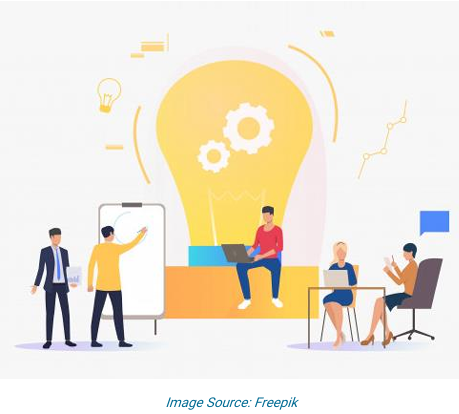
حق تألیف یکی از شاخههای اصلی مالکیت فکری است که به خالقان آثار ادبی، هنری و علمی حق انحصاری بهرهبرداری از آثارشان را میدهد. این حق شامل آثار متنوعی مانند رمانها، شعرها، نمایشنامهها، دایرهالمعارفها، فرهنگها، پایگاههای داده، مقالات روزنامهها، فیلمها، برنامههای تلویزیونی، ترکيبهای موسیقی، کُرئوگرافی، آثار هنری مانند نقاشی، طراحی، عکاسی، مجسمهسازی، معماری، تبلیغات، نقشهها، طراحیهای فنی و حتی برنامههای کامپیوتری است.
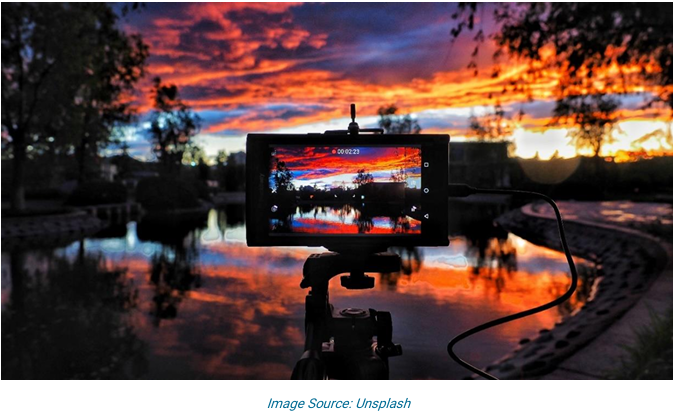
نکته مهم این است که حق تألیف فقط بر روی بیان افکار اعمال میشود، نه خود ایدهها. به عنوان مثال، ایده گرفتن عکس از غروب آفتاب توسط حق تألیف محافظت نمیشود و هر کسی میتواند چنین عکسی بگیرد. اما عکس خاصی از غروب آفتاب که توسط عکاسی گرفته شده، ممکن است تحت حمایت حق تألیف قرار گیرد.
حقوق اقتصادی به خالقان اجازه میدهد تا از آثار خود استفاده کنند و اعمال زیر را مجاز یا ممنوع اعلام کنند:
تکثیر: در اشکال مختلف مانند چاپ، ضبط در نوارهای کاست، سیدی یا ویدئو، یا ذخیره در حافظههای کامپیوتری
توزیع: از طریق فروش نسخههای اثر به عموم
اجرای عمومی: مانند اجرای موسیقی در کنسرت یا نمایش در تئاتر
پخش و انتقال به عموم: از طریق رادیو، تلویزیون، کابل یا ماهواره
ترجمه: به زبانهای دیگر
اقتباس: مانند تبدیل رمان یا نمایشنامه به فیلمنامه
علاوه بر حقوق اقتصادی، خالقان از حقوق معنوی نیز برخوردارند که شامل حق انتساب اثر به خود و حق مخالفت با هرگونه تغییر یا تحریف اثر است که ممکن است به شهرت آنها آسیب برساند.
حق تألیف دارای محدودیت زمانی است و معمولاً تا 50 سال پس از مرگ خالق ادامه مییابد. این مدت در کشورهای مختلف ممکن است متفاوت باشد اما اصل کلی حمایت محدود زمانی در همه جا پذیرفته شده است.
حقوق مرتبط: حمایت از اجراکنندگان و تولیدکنندگان
حقوق مرتبط یا همسایه، حمایتی مشابه حق تألیف را برای گروههایی فراهم میکند که نقش مهمی در انتشار و توزیع آثار فرهنگی دارند. این حقوق شامل:
اجراکنندگان (بازیگران، موسیقیدانان، خوانندگان، رقصندگان) در اجراهایشان
تولیدکنندگان ضبط صدا (مانند کاست و سیدی) در ضبطهایشان
سازمانهای پخش در برنامههای رادیویی و تلویزیونیشان
تفاوت اصلی حقوق مرتبط با حق تألیف این است که حق تألیف از خالقان آثار محافظت میکند، در حالی که حقوق مرتبط از کسانی که در انتشار و اجرای این آثار نقش دارند حمایت میکند.

علامت تجاری نشانهای است که برای شناسایی کالاها و خدمات خاص به عنوان محصولات تولید شده یا ارائه شده توسط شخص یا شرکت معینی استفاده میشود. این نشانهها به تمایز کالاها و خدمات از موارد مشابه ارائه شده توسط دیگران کمک میکنند.
علائم تجاری میتوانند شامل موارد زیر باشند:
کلمات (مانند کداک) یا ترکیب کلمات (کوکاکولا)
حروف و اختصارات (مانند EMI، MGM، AOL، BMW، IBM)
اعداد (مانند 7/11)
نامها (مانند فورد یا دیور) یا اختصار نامها (مانند YSL برای ایو سن لوران)
طراحیها (مانند لوگوی شرکت نفتی شل یا طراحی پنگوئن برای کتابهای پنگوئن)
نشانههای سهبعدی مانند شکل و بستهبندی کالاها (شکل بطری کوکاکولا یا بستهبندی شکلات توبلرون)
ترکیب رنگها یا رنگهای منفرد (رنگ نارنجی شرکت تلفن اورنج)
نشانههای غیرقابل رؤیت مانند موسیقی و عطر
برای ثبت علامت تجاری، نشانه باید شرایط زیر را داشته باشد:
متمایز بودن: قابلیت تشخیص محصول خاص و تمایز از علائم تجاری دیگر
غیرفریبنده بودن: نباید مصرفکنندگان را در مورد ماهیت یا کیفیت محصول گمراه کند
مطابقت با نظم عمومی و اخلاق
عدم تشابه با علائم تجاری موجود
مدت حمایت علامت تجاری معمولاً 10 سال است اما با پرداخت هزینههای مربوطه میتوان آن را به طور نامحدود تمدید کرد. این ویژگی علائم تجاری را از سایر انواع مالکیت فکری متمایز میکند.
نشانهای جغرافیایی: حمایت از محصولات منطقهای
نشان جغرافیایی نشانهای است که بر روی کالاها استفاده میشود و نشان میدهد محصول مربوطه از منطقه جغرافیایی خاصی منشأ گرفته و دارای کیفیتها یا شهرتی است که به آن منطقه مربوط است.
نمونههایی از نشانهای جغرافیایی عبارتند از:
محصولات کشاورزی: پنیر روکفور (فرانسه)، روغن زیتون توسکانی (ایتالیا)، چای دارجیلینگ (هند)
نوشیدنیهای الکلی: ویسکی اسکاتلندی، شامپاین، تکیلا (مکزیک)
سایر محصولات: "سوئیس" برای ساعتهای ساخت سوئیس
برخلاف علائم تجاری که مختص یک شرکت یا شخص هستند، نشانهای جغرافیایی میتوانند توسط همه تولیدکنندگان واقعی آن منطقه استفاده شوند، مشروط بر اینکه محصولاتشان استانداردهای مورد نظر را داشته باشند.
طرح صنعتی جنبه تزئینی یا زیباییشناختی یک محصول است که میتواند شامل ویژگیهای سهبعدی مانند شکل محصول یا ویژگیهای دوبعدی مانند الگوها، خطوط یا رنگ باشد.
طرحهای صنعتی در طیف وسیعی از محصولات صنعتی و صنایع دستی مانند ابزار پزشکی و فنی، ساعتها، جواهرات، وسایل خانگی، لوازم برقی، وسایل نقلیه، سازههای معماری، طرحهای نساجی، کالاهای تفریحی و سایر اقلام لوکس کاربرد دارند.
برای حمایت تحت قوانین ملی اکثر کشورها، طرح صنعتی باید جذاب بصری باشد. این بدان معناست که طرح صنعتی بنیادی جنبه زیباییشناختی دارد و هیچ ویژگی فنی محصولی که روی آن اعمال میشود را محافظت نمیکند.
مدت حمایت تحت قوانین طرحهای صنعتی معمولاً پنج سال است، با امکان تمدید دورههای بیشتر تا 15 سال در اکثر موارد.

حق ثبت اختراع حق انحصاری اعطا شده نسبت به اختراعی است که ممکن است محصول یا فرآیندی باشد که روش جدید و مبتکرانه انجام کاری را ارائه میدهد یا راهحل فنی جدید و مبتکرانهای برای مسئلهای ارائه میدهد.
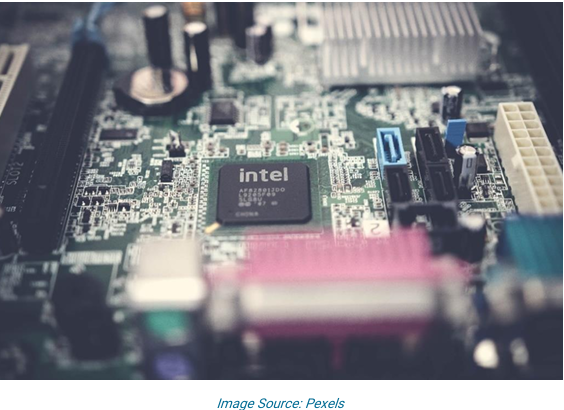
نمونههایی از اختراعات شامل روشنایی الکتریکی (اختراعات ادیسون و سوان)، پلاستیک (اختراعات بکلند)، خودکار (اختراعات بیرو)، پردازندههای میکرو (اختراعات اینتل)، تلفن (اختراعات بل)، و سیدی (اختراعات راسل) میشود.
اختراع برای حمایت توسط حق ثبت اختراع باید شرایط زیر را داشته باشد:
جدید بودن: باید ویژگی جدیدی نشان دهد که در مجموعه دانش موجود شناخته نشده است
غیربدیهی بودن: نباید توسط شخصی با دانش متوسط در حوزه فنی قابل استنباط باشد
مفید بودن: قابلیت کاربرد صنعتی داشته باشد
موضوع قابل ثبت: در بسیاری از کشورها، تئوریهای علمی، روشهای ریاضی، گونههای گیاهی یا حیوانی، کشف مواد طبیعی، روشهای تجاری، یا روشهای درمان پزشکی قابل ثبت نیستند
صاحب حق ثبت اختراع اصولاً میتواند دیگران را در قلمرو تحت پوشش حق ثبت اختراع از ساخت، استفاده، عرضه برای فروش، واردات، یا فروش اختراع بدون رضایت خود منع کند. همچنین صاحب حق ثبت اختراع میتواند اجازه استفاده از اختراع را به طرفهای دیگر با شرایط توافق شده بدهد یا حق اختراع را به شخص دیگری بفروشد.
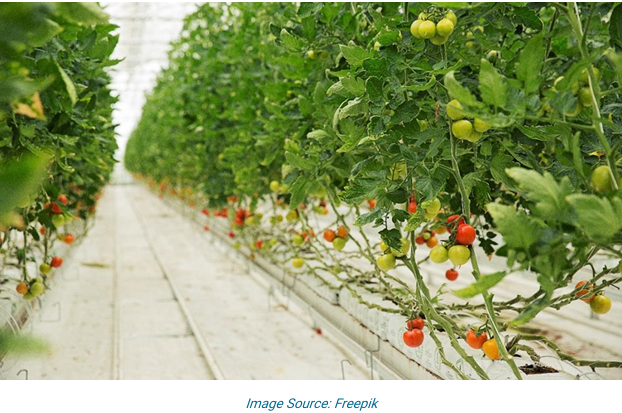
کنوانسیون بینالمللی حمایت از گونههای جدید گیاهی (کنوانسیون UPOV) حمایت از گونههای گیاهی را از طریق "حق اصلاحگر گیاه" فراهم میکند که شکل خاصی از حقوق مالکیت فکری است که به طور ویژه برای این منظور طراحی شده است.
برای حمایت گونه گیاهی تحت کنوانسیون UPOV، باید:
جدید باشد
متمایز باشد
یکنواخت باشد
پایدار باشد
تحت قانون 1991 کنوانسیون UPOV، اعمال زیر نسبت به مواد تکثیری نیاز به مجوز قبلی از اصلاحگر دارند:
تولید یا تکثیر
آمادهسازی برای تکثیر
عرضه برای فروش
فروش یا بازاریابی
صادرات و واردات
انبارداری برای هر یک از اهداف فوق
حداقل مدت حمایت:
25 سال برای درختان و انگور
20 سال برای سایر گیاهان
رقابت غیرمنصفانه به طور کلی هر عمل رقابتی که مخالف شیوههای صادقانه در امور صنعتی یا تجاری باشد، تلقی میشود. کنوانسیون پاریس برای حمایت از مالکیت صنعتی مشخص میکند که اعمال و شیوههای زیر با مفهوم انصاف در رقابت ناسازگار هستند:
اعمالی که ممکن است با هر وسیلهای باعث اشتباه در مورد تأسیسات، کالاها یا فعالیتهای صنعتی یا تجاری رقیب شوند
اعمالی که شامل ادعاهای کاذبی باشند که ممکن است تأسیسات، کالاها، یا فعالیتهای صنعتی یا تجاری رقیب را بیاعتبار یا تخریب کنند
نشانهها یا ادعاهایی که ممکن است عموم را در مورد ماهیت، فرآیند تولید، خصوصیات، مناسب بودن برای هدف، یا مقدار کالاها گمراه کند
اجرای مؤثر حقوق مالکیت فکری بخش ضروری قوانین مالکیت فکری است. بدون مکانیزمهای اجرایی مناسب، قوانین مانند ببری بدون دندان خواهند بود. به همین دلیل توافقنامه تریپس و همچنین قوانین ملی، روشهای متنوعی را برای اطمینان از اجرای مؤثر حقوق فراهم میکنند که شامل:
اقدامات موقت: مانند تفتیش محل و ضبط کالاهای مظنون به نقض حق
راهحلهای مدنی: مانند جبران خسارت مالی و از بین بردن کالاهای نقضکننده حق
دستورات دادگاه: برای متوقف کردن نقض انجام شده یا جلوگیری از وقوع آن
تحریمهای کیفری: مانند اعمال جریمه و حبس
اقدامات مرزی: برای متوقف کردن ورود کالاهای وارداتی مظنون به نقض حق به بازار
علم بیوتکنولوژی به موجودات زنده مانند گیاهان، حیوانات، بذرها، و میکروارگانیسمها و همچنین مواد بیولوژیکی مانند آنزیمها، پروتئینها، و پلاسمیدها (که در "مهندسی ژنتیک" استفاده میشوند) مربوط است.
فهرست صنایعی که از بیوتکنولوژی استفاده میکنند شامل مراقبتهای بهداشتی، کشاورزی، فرآوری مواد غذایی، زیستپالایی، جنگلداری، آنزیمها، مواد شیمیایی، آرایشی، انرژی، کاغذسازی، الکترونیک، نساجی، و معدن است.

دانش سنتی که اینجا به طور گسترده به نوآوریها و خلاقیتهای مبتنی بر سنت اشاره میکند که حاصل فعالیت فکری در زمینههای صنعتی، علمی، ادبی یا هنری است، تا همین اواخر در جامعه مالکیت فکری نادیده گرفته شده بود.
اکنون به طور فزایندهای پذیرفته شده که ارزش اقتصادی داراییهای دانش سنتی میتواند با استفاده از مالکیت فکری بیشتر تقویت شود. همچنین نگرانیهایی وجود دارد که نظام مالکیت فکری به طور کافی سهم سیستمهای دانش سنتی در توسعه انسانی و منافع دارندگان دانش سنتی را به رسمیت نشناخته است.
مالکیت فکری در دنیای مدرن نقش حیاتی در تشویق نوآوری، حمایت از خلاقیت، و ایجاد انگیزه برای سرمایهگذاری در تحقیق و توسعه ایفا میکند. با توسعه فناوریهای جدید مانند هوش مصنوعی، بیوتکنولوژی، و اینترنت اشیاء، اهمیت درک صحیح و بهرهگیری مناسب از سیستمهای مالکیت فکری بیش از پیش احساس میشود.
برای کسبوکارها، درک اصول مالکیت فکری نه تنها برای حمایت از نوآوریهای خود ضروری است، بلکه برای جلوگیری از نقض حقوق دیگران و اجتناب از مسائل حقوقی نیز حیاتی است. در عصری که اقتصاد بر پایه دانش و خلاقیت استوار است، مالکیت فکری به عنوان پل ارتباطی میان ایدهها و ارزش اقتصادی عمل میکند و بستر مناسبی برای رشد و توسعه پایدار فراهم میآورد.
آینده مالکیت فکری با چالشها و فرصتهای جدیدی همراه خواهد بود که نیازمند تطبیق مستمر قوانین و مقررات با تحولات فناورانه و اجتماعی است. تنها از طریق درک عمیق این مفاهیم و بهرهگیری هوشمندانه از آنها میتوان محیطی ایجاد کرد که هم خالقان و مبتکران را تشویق کند و هم منافع جامعه را تأمین نماید.
* This article has been translated and summarized from WIPO's free introductory course, DL-001E -Primer on Intellectual Property, which is available for free on the WIPO website. This course takes about 3 hours to complete and there is no exam or certificate at the end! It is only for familiarizing yourself with intellectual property. If you need a certificate of participation in the course, the DL101Ev2 - DL-101 General Course on Intellectual Property, which is about 55 hours and has an exam (and of course it is free!) is a better option for deepening the concepts of intellectual property.
Introduction
In today’s knowledge-based economy, intellectual property (IP) has emerged as one of the most critical tools for safeguarding creativity and innovation. The history of humanity reflects the application of imagination, innovation, and creativity to an existing base of knowledge to solve problems and express ideas. From early writing in Mesopotamia, the Chinese abacus, the Syrian astrolabe, ancient Indian observatories, the Gutenberg printing press, the internal combustion engine, penicillin, transistors, semiconductor nanotechnology, recombinant DNA drugs, and countless other discoveries and innovations, it is the imagination of the world’s creators that has propelled humanity to its current level of technological advancement.
Definition of Intellectual Property
Intellectual property refers to a set of legal rights that enable creators and inventors to protect their intellectual works and reap economic benefits from them. Unlike physical property, intellectual property focuses on intangible assets resulting from human intellectual and creative activity.
The World Intellectual Property Organization (WIPO) administers more than 20 international treaties related to intellectual property, playing a pivotal role in regulating and coordinating global IP laws. The various domains of intellectual property include copyright, related rights, trademarks, geographical indications, industrial designs, patents, new plant varieties, and protection against unfair competition.
Copyright is a fundamental branch of intellectual property that grants creators of literary, artistic, and scientific works exclusive rights to exploit their creations. This protection covers a wide range of works, including novels, poems, plays, encyclopedias, dictionaries, databases, newspaper articles, films, television programs, musical compositions, choreography, artistic works such as paintings, drawings, photographs, sculptures, architecture, advertisements, maps, technical drawings, and even computer programs.
A key principle is that copyright protects the expression of ideas, not the ideas themselves. For example, the idea of taking a photograph of a sunset is not protected by copyright, and anyone can take such a photo. However, a specific photograph of a sunset captured by a photographer may be protected.
Economic Rights of Copyright
Economic rights allow creators to use their works as they see fit and to authorize or prohibit the following acts:
• Reproduction: In various forms, such as printing, recording on cassettes, CDs, videodiscs, or storing in computer memory.
• Distribution: For example, through the sale of copies to the public.
• Public Performance: Such as performing music at a concert or a play on stage.
• Broadcasting and Communication to the Public: Via radio, television, cable, or satellite.
• Translation: Into other languages.
• Adaptation: Such as converting a novel or play into a screenplay for a film.
Moral Rights
In addition to economic rights, creators enjoy moral rights, which include the right to be recognized as the author of the work and the right to object to any modification or distortion of the work that may harm their reputation.
Duration of Copyright Protection
Copyright protection is time-limited, typically lasting for the life of the author plus 50 years after their death. This duration may vary across countries, but the principle of limited-term protection is universally accepted.
Related Rights: Protecting Performers and Producers
Related rights, also known as neighboring rights, provide protection similar to copyright for individuals and organizations that play a crucial role in disseminating and distributing cultural works. These rights include:
• Performers (actors, musicians, singers, dancers) in their performances.
• Producers of Sound Recordings (e.g., cassettes and CDs) in their recordings.
• Broadcasting Organizations in their radio and television programs.
The primary distinction between related rights and copyright is that copyright protects the creators of works, whereas related rights safeguard those who contribute to the performance and dissemination of these works.
A trademark is a sign used to identify specific goods and services as those produced or provided by a particular person or enterprise, helping to distinguish them from similar offerings by others.
Types of Trademarks
Trademarks can include:
• Words (e.g., Kodak) or combinations of words (e.g., Coca-Cola).
• Letters and Abbreviations (e.g., EMI, MGM, AOL, BMW, IBM).
• Numerals (e.g., 7/11).
• Names (e.g., Ford or Dior) or abbreviations of names (e.g., YSL for Yves Saint Laurent).
• Designs (e.g., the Shell oil company logo or the Penguin design for Penguin books).
• Three-Dimensional Signs such as the shape and packaging of goods (e.g., the Coca-Cola bottle or Toblerone chocolate packaging).
• Combinations of Colors or Single Colors (e.g., the orange color of the Orange telephone company).
• Non-Visible Signs such as music or fragrances.
Conditions for Trademark Registration
To be registered, a trademark must meet the following conditions:
• Distinctiveness: The ability to identify a specific product and differentiate it from other trademarks.
• Non-Deceptiveness: It must not mislead consumers about the nature or quality of the product.
• Compliance with Public Order and Morality.
• Non-Similarity to existing trademarks.
Duration of Trademark Protection
Trademark protection typically lasts for 10 years but can be renewed indefinitely upon payment of the corresponding fees, distinguishing it from other forms of intellectual property.
Geographical Indications: Protecting Regional Products
A geographical indication is a sign used on goods to indicate that a product originates from a specific geographical area and possesses qualities or a reputation due to that origin.
Examples include:
• Agricultural Products: Roquefort cheese (France), Tuscan olive oil (Italy), Darjeeling tea (India).
• Alcoholic Beverages: Scotch whisky, Champagne, Tequila (Mexico).
• Other Products: "Switzerland" for watches made in Switzerland.
Difference Between Geographical Indications and Trademarks
Unlike trademarks, which are specific to a company or individual, geographical indications can be used by all genuine producers in a region, provided their products meet the required standards.
An industrial design pertains to the decorative or aesthetic aspect of a product, encompassing three-dimensional features (e.g., shape) or two-dimensional features (e.g., patterns, lines, or colors).
Industrial designs apply to a wide range of products, including medical and technical instruments, watches, jewelry, household items, electrical appliances, vehicles, architectural structures, textile designs, leisure goods, and luxury items.
Conditions for Protection
To be protected under most national laws, an industrial design must be visually appealing, focusing solely on its aesthetic aspect and not its technical features.
Duration of Protection
Protection under industrial design laws typically lasts five years, with possible extensions up to 15 years in most cases.
Patents and Patent Rights
A patent is an exclusive right granted for an invention—a product or process that provides a new, inventive way of doing something or offers a novel technical solution to a problem.
Examples of patented inventions include electric lighting (Edison and Swan), plastics (Bakelite), ballpoint pens (Biro), microprocessors (Intel), telephones (Bell), and CDs (Russell).
Conditions for Patentability
For an invention to be patentable, it must meet these conditions:
• Novelty: It must exhibit a new characteristic not previously known.
• Non-Obviousness: It must not be deducible by someone with average knowledge in the field.
• Usefulness: It must have industrial applicability.
• Patentable Subject Matter: In many countries, scientific theories, mathematical methods, plant or animal varieties, natural discoveries, commercial methods, or medical treatments are not patentable.
Rights Arising from Patents
Patent owners can prevent others within the patent’s jurisdiction from making, using, selling, importing, or offering the invention for sale without consent. They may also license the invention or sell the patent.
The International Convention for the Protection of New Varieties of Plants (UPOV Convention) provides protection for plant varieties through "plant breeder’s rights," a specialized form of intellectual property.
Conditions for Protection
A plant variety must be:
• New.
• Distinct.
• Uniform.
• Stable.
Breeder’s Rights
Under the 1991 UPOV Act, the following acts regarding propagating material require the breeder’s prior authorization:
• Production or reproduction.
• Conditioning for propagation.
• Offering for sale.
• Selling or marketing.
• Exporting and importing.
• Stocking for any of the above purposes.
Duration of Protection
Minimum protection durations are:
• 25 years for trees and vines.
• 20 years for other plants.
Unfair competition refers to any competitive act contrary to honest practices in industrial or commercial matters. The Paris Convention specifies that the following acts are inconsistent with fair competition:
• Acts that may create confusion with a competitor’s establishment, goods, or activities.
• False allegations that discredit a competitor’s establishment, goods, or activities.
• Indications or allegations that may mislead the public about the nature, manufacturing process, characteristics, suitability, or quantity of goods.
Effective enforcement is a vital component of intellectual property laws. Without proper mechanisms, laws are ineffective. The TRIPS Agreement and national laws provide various enforcement methods, including:
• Provisional Measures: Such as searching premises and seizing suspected infringing goods.
• Civil Remedies: Such as monetary compensation and destruction of infringing goods.
• Court Orders: To stop or prevent infringement.
• Criminal Sanctions: Such as fines and imprisonment.
• Border Measures: To halt the circulation of suspected imported infringing goods.
Biotechnology involves living organisms (plants, animals, seeds, microorganisms) and biological materials (enzymes, proteins, plasmids) used in genetic engineering. Industries utilizing biotechnology include healthcare, agriculture, food processing, bioremediation, forestry, chemicals, cosmetics, energy, papermaking, electronics, textiles, and mining.
Traditional knowledge—tradition-based innovations and creations from intellectual activity in industrial, scientific, literary, or artistic fields—has been largely overlooked until recently. It is now recognized that its economic value can be enhanced through IP, though concerns remain about adequately acknowledging its contributions and the interests of its holders.
Intellectual property plays a crucial role in the modern world by encouraging innovation, protecting creativity, and providing incentives for research and development investment. With advancements in technologies like artificial intelligence, biotechnology, and the Internet of Things, understanding and utilizing IP systems is more critical than ever.
For businesses, grasping IP principles is essential not only to protect their innovations but also to avoid infringing others’ rights and legal disputes. In a knowledge- and creativity-driven economy, IP serves as a bridge between ideas and economic value, fostering sustainable growth and development.
The future of intellectual property will bring new challenges and opportunities, necessitating continuous adaptation of laws to technological and social changes. Only through a deep understanding and smart application of these concepts can an environment be created that encourages creators and innovators while serving society’s interests.

