
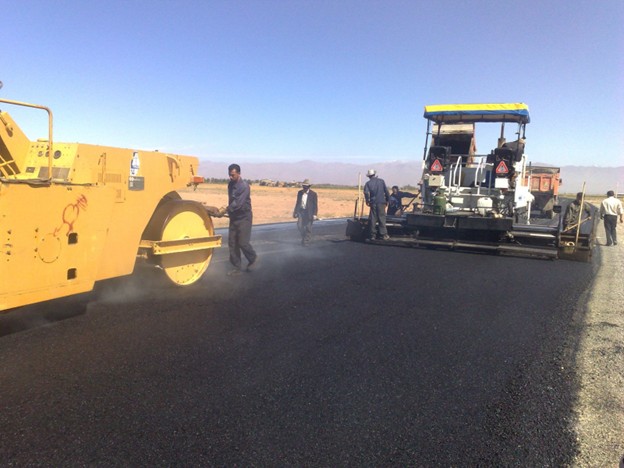
Bitumen is a black, paste-like substance commonly used in moisture barriers and asphalt construction. It is a petroleum derivative, typically produced in petroleum refineries. Bitumen’s wide range of uses stems from two key properties:
Waterproofing
Adhesiveness
During the first stage of distillation, lighter substances like gasoline and propane are separated from crude oil under atmospheric pressure. In the second stage, heavier compounds such as diesel and kerosene are removed under vacuum pressure.
Approximately 90% of all bitumen produced is used in road construction. Most road-construction bitumen is pasty or semi-solid at normal temperatures.
Bitumen plays a crucial role in waterproofing applications, especially in roofing systems for commercial and residential buildings. Its high viscosity and stickiness make it a perfect barrier against water leakage, particularly before roof installations.
The construction industry heavily relies on bituminous waterproofing, which also serves as a buffer against swelling and water penetration—one of the key reasons behind the growing demand in the bitumen market.
The bitumen market is segmented by product type and application:
Paving grade
Hard grade
Oxidation grade
Bitumen emulsion
Polymer modified bitumen
Other types
Paving grade bitumen is projected to hold the largest market share during the forecast period. Due to its durability and regenerative properties, it’s widely used in asphalt concrete for roads, sidewalks, runways, and parking lots.
For instance, penetration grade 60/70 is extracted from carefully selected crude oils through highly controlled refining processes and is commonly used as paving-grade bitumen.
The road construction sector accounts for the largest share of bitumen usage. It’s used not only in new road development, but also in the maintenance and repair of existing infrastructure, including:
Highways
Airport runways
Flyovers
Urban and rural roads
Growing vehicular traffic, especially in emerging economies with rising purchasing power parity (PPP), is increasing the need for multi-lane expressways. Urbanization and modernization also fuel the demand for improved road connectivity between rural and urban areas.
Government investments in road construction, roofing, and insulation projects worldwide are the primary drivers of bitumen demand.
As more people migrate to cities, the need for residential and commercial infrastructure increases, thereby boosting demand for bitumen as a construction material.
Since bitumen is derived from crude oil, its price is closely tied to oil market fluctuations. Higher oil prices typically lead to higher bitumen costs, which can affect demand.
Bitumen production and usage can have environmental impacts. Growing concerns around climate change and pollution are pushing governments and industries to explore more sustainable alternatives.
Advancements in bitumen production technologies and eco-friendly formulations are shaping the future of the bitumen market.
The Asia-Pacific region dominates the global bitumen market. Among the countries in this region, China holds the largest share. Although China’s economic growth is gradually slowing due to demographic changes and structural economic shifts, it still drives significant demand.
In South Korea, the total length of highways had doubled by 1999. As of 2021, it reached 4,866 kilometers, indicating sustained infrastructure investment
India is experiencing a surge in infrastructure projects, including:
Delhi-Mumbai Industrial Corridor
Bharatmala Project
GIFT City (Gujarat International Financial Tech City)
Smart City Kochi
Navi Mumbai International Airport
The Bharatmala Pariyojana, for instance, involves the construction of 34,800 km of highways over five years, with an investment of Rs 535,000 crore (~$76.55 billion). The program includes 22 greenfield projects (8,000 km), fueling massive demand for bitumen. The bitumen market in this region is expected to see rapid growth.
Conclusion
In this article, we explored the nature of bitumen, its types, and key uses—particularly in construction and waterproofing. We also examined the global bitumen market, identifying major drivers such as urbanization, infrastructure investment, and economic trends.
Clearly, bitumen is one of the most essential petroleum derivatives, and its role in modern infrastructure is only growing. We hope this guide has given you a solid understanding of both the product and the dynamic market that surrounds it.

