
Electric vehicles (EVs) represent a significant shift in automotive technology, offering efficient, eco-friendly alternatives to traditional internal combustion engine (ICE) vehicles. This comprehensive article delves into the mechanisms by which EVs convert electrical energy into motion and how they manage speed variations.
---
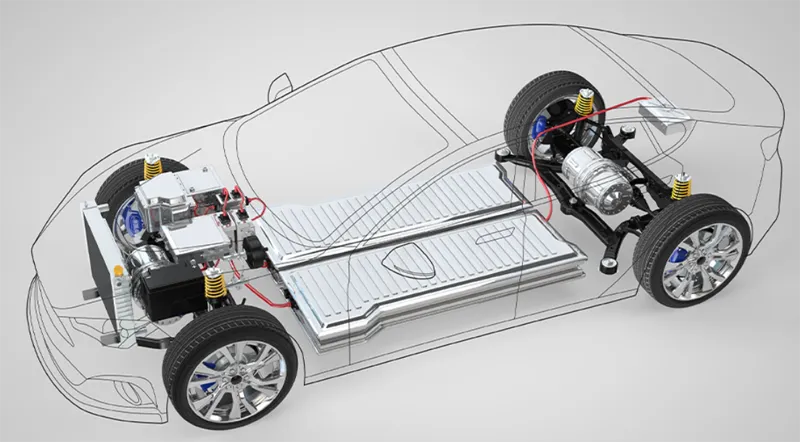
At the heart of every EV lies a high-capacity lithium-ion battery pack, responsible for storing electrical energy. These batteries are designed for high energy density, enabling longer driving ranges and efficient energy storage. Charging is facilitated through standard electrical outlets or dedicated charging stations, replenishing the battery's energy reserves.
EV batteries supply direct current (DC), whereas most electric motors operate on alternating current (AC). The inverter serves as a crucial component, converting DC into AC and regulating the frequency and amplitude of the current. By adjusting these parameters, the inverter controls the motor's speed and torque, directly influencing the vehicle's acceleration and performance.
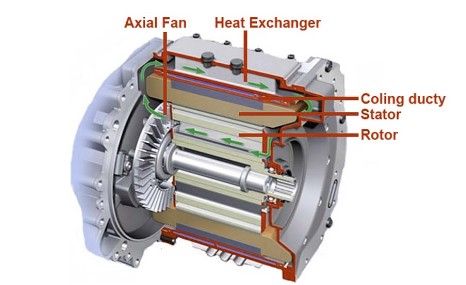
The electric motor transforms electrical energy into mechanical energy, propelling the vehicle. Common types include:
AC Induction Motors: Utilize electromagnetic induction to generate motion. They are robust and cost-effective, often used in performance-oriented EVs.
Permanent Magnet Synchronous Motors (PMSMs): Employ permanent magnets to produce a constant magnetic field, offering high efficiency and torque at low speeds.
The motor's rotation is transmitted to the wheels, moving the vehicle forward.
Unlike ICE vehicles that require multi-speed transmissions, EVs often utilize a single-speed reduction gear. This is feasible because electric motors deliver maximum torque from zero RPM, eliminating the need for gear shifts. However, some high-performance EVs, like the Porsche Taycan, incorporate multi-speed transmissions to optimize efficiency and acceleration across various speeds.
---
The accelerator pedal in an EV is connected to the vehicle's control system via electronic signals—a system known as "drive-by-wire." When the driver presses the pedal, sensors detect the position and send signals to the inverter, which adjusts the motor's power output accordingly. This setup allows for precise control over acceleration and deceleration.
EVs feature regenerative braking systems that convert kinetic energy back into electrical energy during deceleration. When the driver releases the accelerator or applies the brakes, the electric motor operates in reverse, acting as a generator. The recovered energy is then stored in the battery, enhancing overall efficiency and extending driving range.
Modern EVs are equipped with ADAS features that assist in speed regulation, such as adaptive cruise control and intelligent speed assist. These systems use sensors and cameras to monitor traffic conditions and adjust the vehicle's speed to maintain safe distances and comply with speed limits.
---
High Energy Conversion Efficiency: EVs convert over 85% of electrical energy from the battery to wheel movement, compared to about 20-30% in ICE vehicles.
Instant Torque Delivery: Electric motors provide immediate torque, resulting in rapid acceleration and responsive driving dynamics.
Lower Maintenance Requirements: With fewer moving parts, EVs generally require less maintenance, reducing long-term ownership costs.
🧠 Conclusion
Electric vehicles represent a significant advancement in automotive technology, offering efficient, high-performance alternatives to traditional vehicles. Understanding the interplay between the battery, inverter, motor, and control systems elucidates how EVs convert electrical energy into motion and manage speed variations. As technology continues to evolve, we can anticipate further enhancements in EV efficiency, performance, and accessibility.
Full Name: Behrad Asgari
Email Address: asgari9060@gmail.com
Date: 2025-05-02

