
A brand is far more than a company’s logo—it embodies the company’s identity, values, mission, and emotional connection with its audience. In today’s fast changing market, driven by technological advancements, evolving consumer tastes, and unforeseen public relations challenges, rebranding has emerged as a strategic way to rejuvenate and strengthen a brand’s position.

Rebranding means rethinking and modifying aspects of your brand’s identity. It can range from subtle visual updates to a complete overhaul of strategy and messaging. Key factors to consider include:
Market Dynamics and Growing Competition:
As new competitors emerge and market conditions shift, brands must reassess themselves to remain distinctive. For instance, Snapp in Iran has periodically refreshed its visual identity and communication, securing its image as a youthful and innovative brand.
Evolving Audience Needs:
Shifts in customer preferences may require a brand to adapt its marketing strategy. Digikala, for example, revised its approach by recognizing and catering to evolving online shopping behaviors, thereby improving the customer experience and trust.
Internal Changes and Strategic Shifts:
Organizational restructuring, mergers, or changes in mission can necessitate a rebrand. Iranian banks like Bank Sepah and Bank Tejarat have updated their images and taglines in efforts to appear more modern—though it remains critical that these updates align with the brand’s core values.
Crisis Management:
When a brand faces reputation challenges, rebranding can offer a route to rebuild customer trust. However, caution is required; an abrupt change—as seen with Gap’s 2010 logo update—can backfire if it disregards the established brand identity.
Before launching a rebranding initiative, organizations should answer these essential questions:
What is the primary objective?
Is the goal to attract a new audience, resolve reputation issues, align with current market trends, or make a deeper strategic shift?
How have the company’s values and mission evolved?
A successful rebrand should reflect any significant changes in the organization’s vision.
Who exactly is the target audience now?
Understanding shifts in demographics or customer preferences is vital for refining brand messaging.
Are the necessary resources available?
Rebranding can be expensive and timeconsuming. Ensure sufficient financial, human, and time resources are in place.
What risks and challenges might arise?
Anticipating internal resistance, customer confusion, or a negative market reaction is crucial for planning a smooth transition.
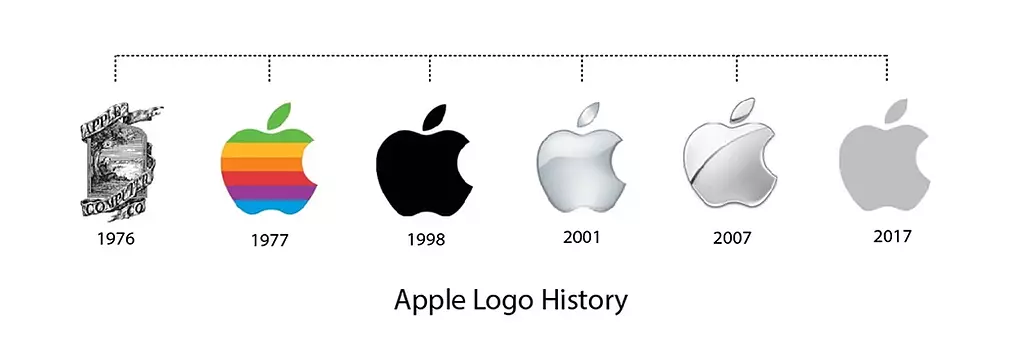
Rebranding initiatives generally fall into four categories, each with its own set of considerations and examples:
Comprehensive Rebranding:
This involves a fullscale change—altering the brand name, logo, messaging, and overall strategy.
Success Stories:
Digikala and IBM reinvented themselves by aligning their visual identity with a transformative strategic vision.
Pitfalls:
Efforts by Hamrah Aval, which focused primarily on superficial changes without a strategic realignment, led to consumer confusion.
Visual Rebranding (Brand Refresh):
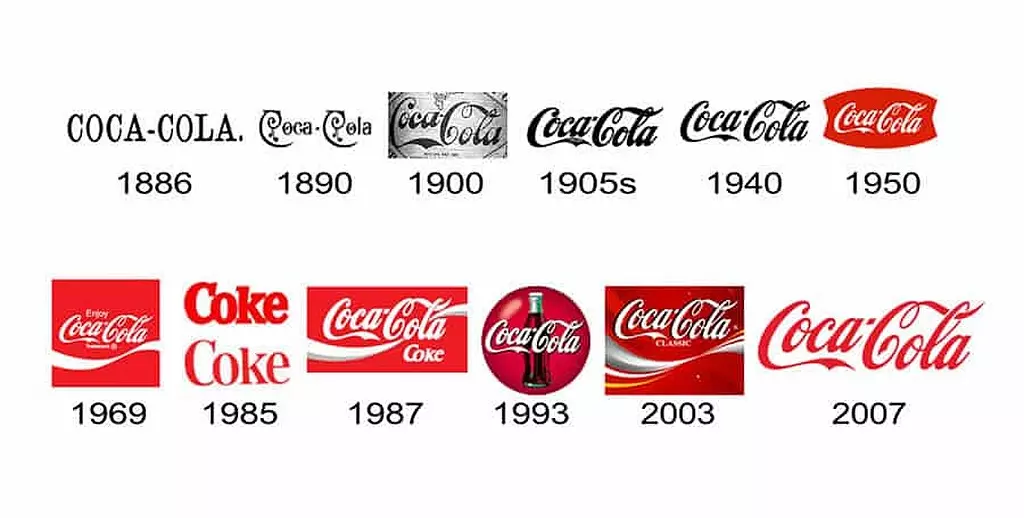
Here, the focus is on updating visual elements such as the logo, color scheme, typography, or packaging while retaining the brand’s core identity.
Success Stories:
Café Bazaar has maintained its relevance through periodic visual updates, and Nike continuously modernizes its image while upholding its iconic “Swoosh” and “Just Do It” ethos.
Pitfalls:
Tropicana’s 2009 packaging redesign strayed too far from its familiar visual cues, resulting in a decline in sales.
Strategic Rebranding:
Rather than solely focusing on aesthetics, this type of rebranding redefines the brand’s messaging, core values, and market positioning.
Success Stories:
Apple’s revival in the early 2000s—with innovative product launches and the “Think Different” campaign—reinvented its market image.
Rebranding Due to Mergers or Structural Changes:
When companies merge or undergo substantial internal changes, it is essential to create a cohesive, unified identity.
Success Stories:
Several Iranian bank mergers have successfully consolidated their identities to restore customer confidence.
Brand Retouch:
These are minor, periodic updates designed to keep the brand visually current without altering its fundamental strategic direction.
Examples:
Starbucks and Café Bazaar routinely update their design elements to maintain a modern appeal while preserving the brand’s familiar essence.
From global and local examples, several key insights emerge:
Alignment is Crucial:
Visual updates must go hand in hand with strategic changes. Brands like Apple, Nike, and Snapp succeed by ensuring that surface modifications support deeper, valuebased transformations. In contrast, partial updates that ignore the brand’s core may confuse loyal customers.
Local Culture Matters:
Brands that respect local cultural nuances tend to perform better. Successful Iranian brands such as Café Bazaar and Snapp have leveraged their cultural context to remain relevant.
Manage the Transition Carefully:
Gradual changes, informed by customer feedback and market data, are often more effective than sudden, sweeping transformations.

Rebranding is a nuanced and powerful tool to reposition a brand in a dynamic market. For it to succeed, the initiative must be rooted in a clear strategic vision that reflects both internal values and external market trends. Key recommendations include:
Developing a Comprehensive Strategy:
Define clear, measurable shortterm and longterm objectives, core values, and messaging.
Respecting Local Culture and Feedback:
Use market data and continuous customer feedback to inform every phase of the rebranding process.
Rolling Out Changes Gradually:
A phased approach helps minimize shock and allows customers to adapt to the new brand identity.
Ensuring Consistency Across the Organization:
All departments—from marketing to HR—must be aligned with the rebranding strategy to ensure a cohesive transformation.
Monitoring and Adjusting:
Continuously assess the performance of the rebranding effort through key performance indicators (KPIs) and be ready to make necessary adjustments.
Ultimately, successful rebranding not only refreshes a brand’s appearance but also reinforces its underlying values and mission. With careful planning and execution, rebranding can drive innovation, foster deeper customer relationships, and secure a lasting competitive edge.
By: Farbod Mostofi, Marketing and Brand Manager

