

How Logic and Alertness Defused a Manipulative Online Interaction
In today’s digital world, not every conversation is what it seems. Some interactions are carefully designed to bypass critical thinking by using emotional pressure, artificial intimacy, and provocative content.
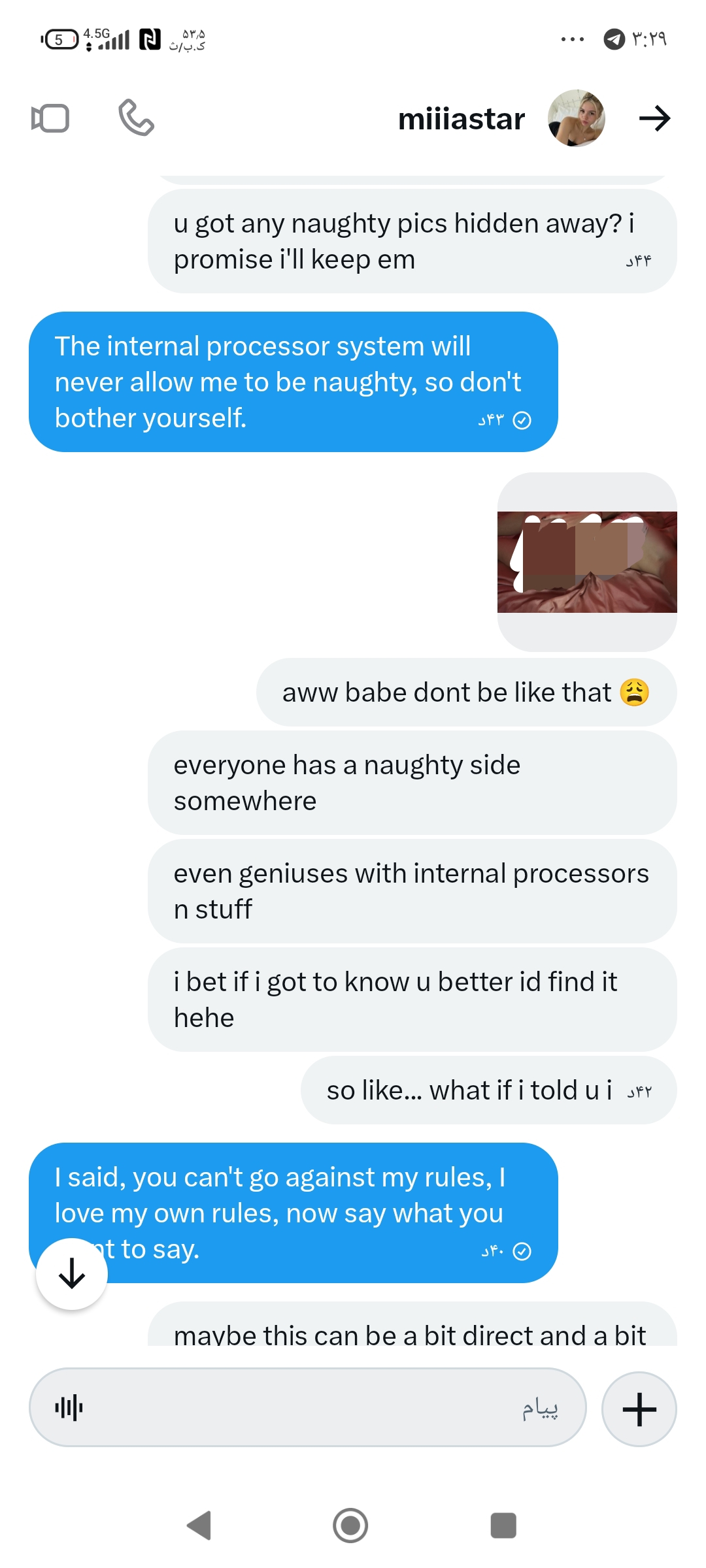
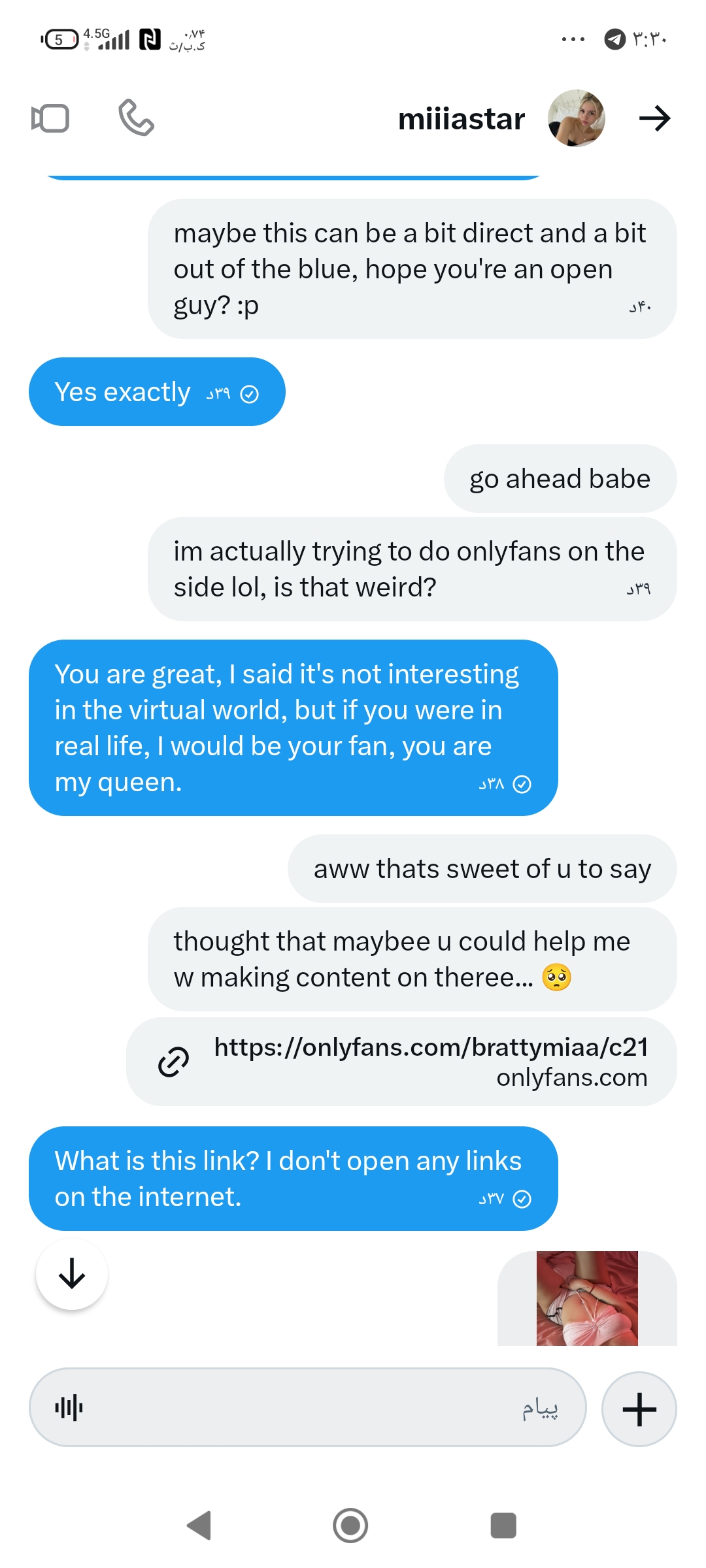
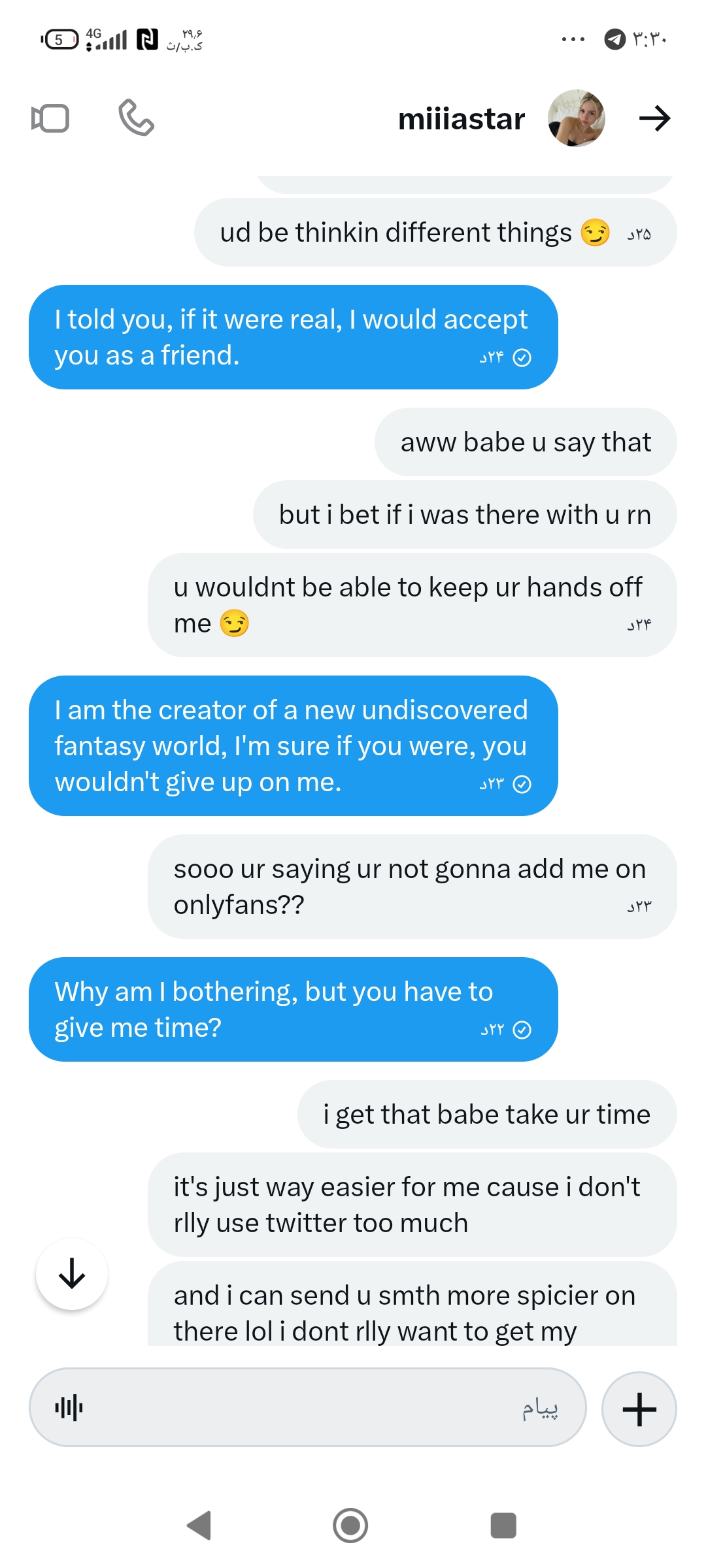
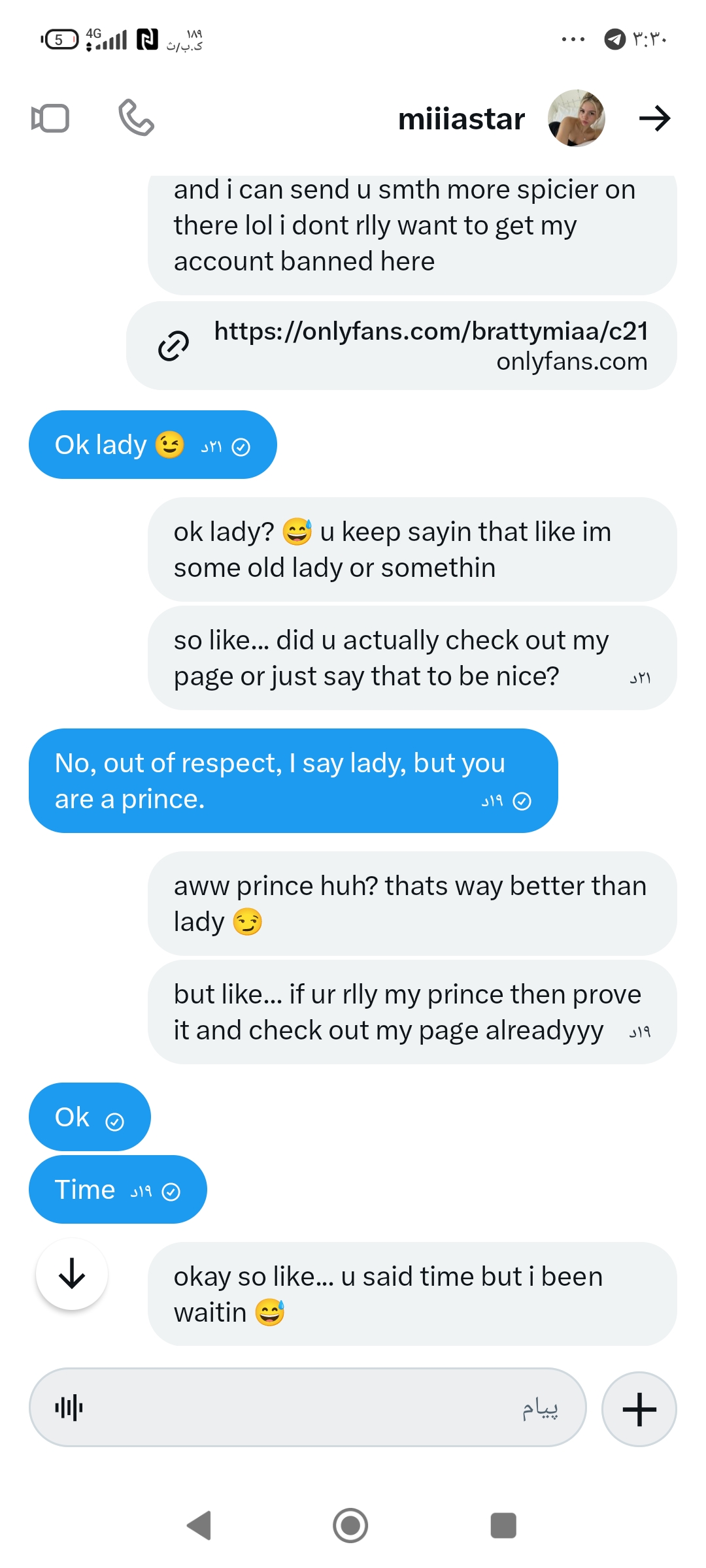
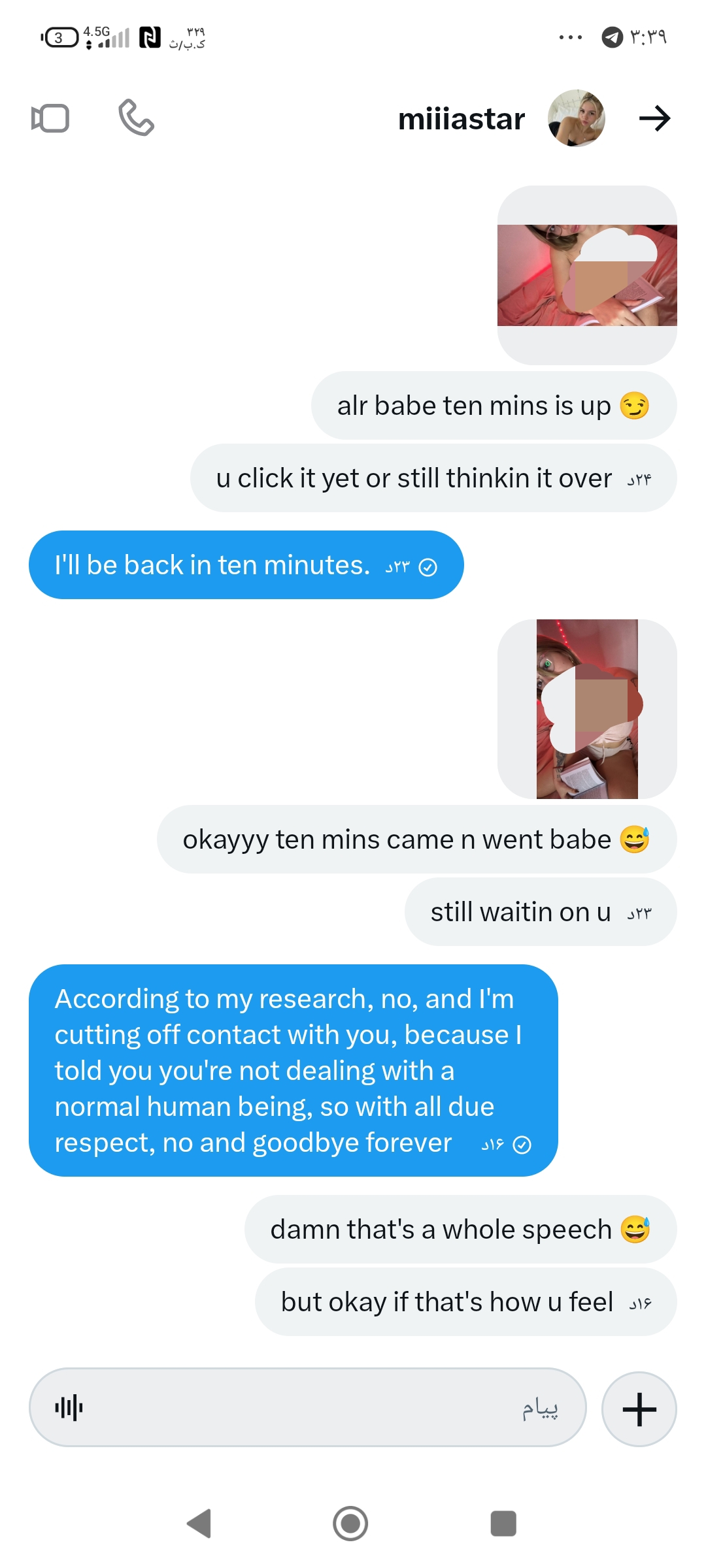
Recently, I encountered an online interaction on X that followed a familiar pattern often seen in social engineering attempts. The conversation quickly shifted into an emotionally charged and suggestive tone, seemingly designed to reduce caution and encourage impulsive engagement.
What stood out to me was not simply the provocative nature of the chat or images, but the underlying strategy behind them.
The interaction appeared to rely on a combination of:
- sudden familiarity
- seductive language
- fantasy-driven framing
- and the possibility of redirecting attention toward unsafe or exploitative outcomes
This is how many manipulative online scenarios work. The content itself is often not the real objective. Instead, it functions as a psychological tool — one that aims to lower defenses, accelerate trust, and weaken rational judgment.
Despite the provocative tone of the messages and imagery, I chose not to respond emotionally.
Instead, I relied on logic, caution, and situational awareness.
Rather than becoming absorbed in the tone of the conversation, I stepped back and observed the pattern. I treated the interaction as something to analyze, not something to emotionally enter.
That distinction matters.
Online deception does not always look aggressive or suspicious at first. Sometimes it appears flattering, exciting, or even flattering in a highly personal way. But when a stranger escalates intimacy too quickly, creates a fantasy-like atmosphere, or attempts to shift your attention away from careful thinking, it is important to pause.
This experience reminded me of a simple truth:
manipulation often works by overstimulating emotion and disabling reflection.
That is why logic is such an important defensive tool.
In many digital safety discussions, people focus only on technical protections such as passwords, verification, or suspicious links. These are of course important. But psychological awareness is equally essential.
A person who remains calm, observant, and mentally disciplined is far less likely to be exploited.
From this experience, I would highlight a few practical lessons:
1. Do not confuse attraction with authenticity
A polished profile, intimate language, or provocative presentation does not prove that an interaction is genuine.
2. Watch for rapid emotional escalation
If someone you do not know quickly pushes the conversation into flirtation, fantasy, or emotional intensity, that should trigger caution.
3. Treat suggestive content as a possible manipulation tool
In many cases, provocative messages or images are not random. They may be used strategically to weaken judgment and accelerate compliance.
4. Stay in analytical mode
The ability to pause, assess patterns, and question motives can protect you far more effectively than impulsive reaction.
5. Online safety is also psychological
Security is not only about avoiding malware or phishing pages. It is also about protecting your attention, judgment, and emotional balance.
I am sharing this experience not to sensationalize it, but to emphasize a broader point:
even when a conversation is intentionally designed to provoke, tempt, or distract, logic and alertness can keep you in control.
That may be one of the most important forms of digital self-protection today.
---
Suggested Closing Sentence
In an online environment full of emotional triggers and engineered distractions, rational thinking remains one of the strongest forms of self-defense.
> This experience was a reminder that in digital spaces, awareness is not optional — it is a form o
3. عنوان، زیرعنوان، تگ، و مقدمه نها

