
Paragraph 1
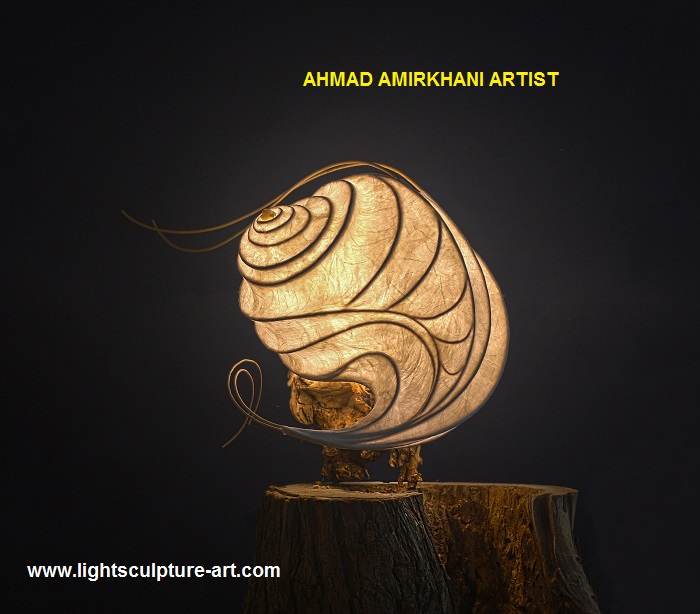
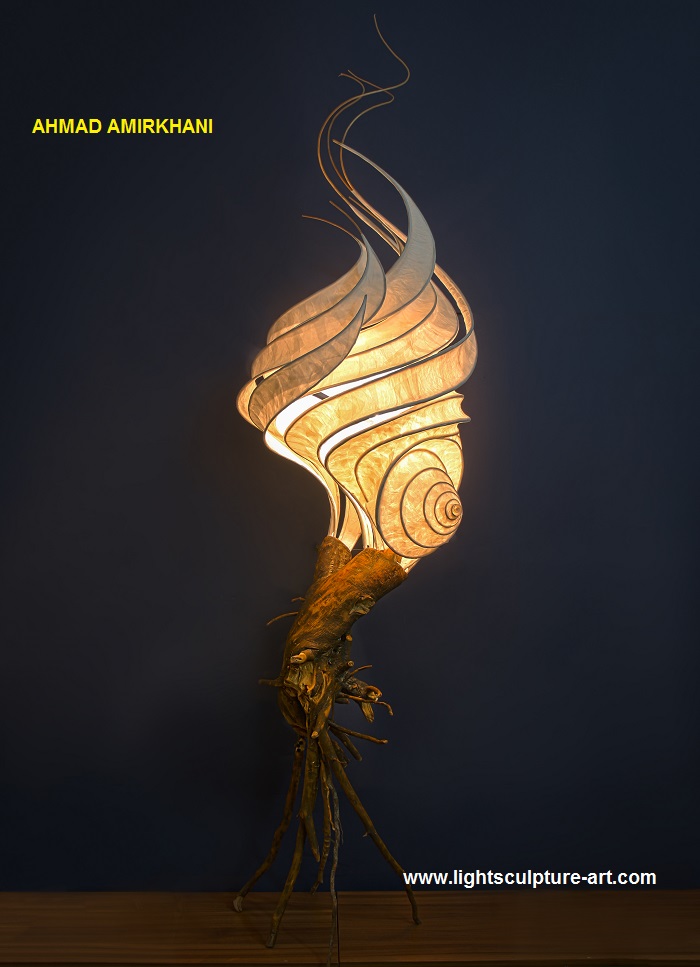
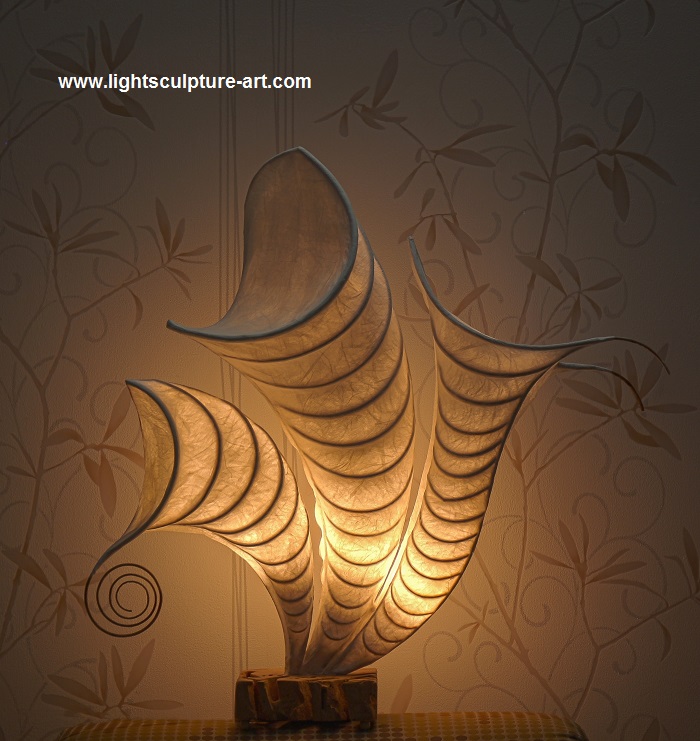
Light sculptures continue to inspire both artists and audiences worldwide . Their glowing presence is not only visually stunning but also emotionally uplifting , turning darkness into beaut y .
Paragraph 2
The process of making light sculptures often begins with sketches . Artists imagine how light will interact with the chosen materials , creating forms that feel alive when illuminated .
Paragraph 3
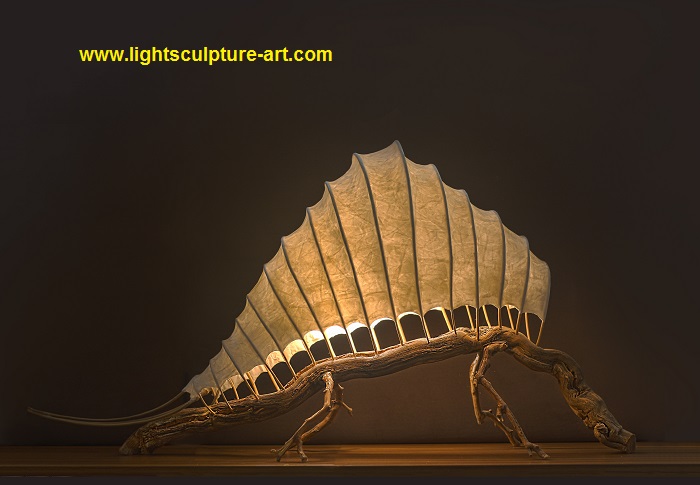
Unlike traditional art , light sculptures transform depending on their surroundings . A single sculpture may look different indoors , outdoors , or at different times of day .
Paragraph 4
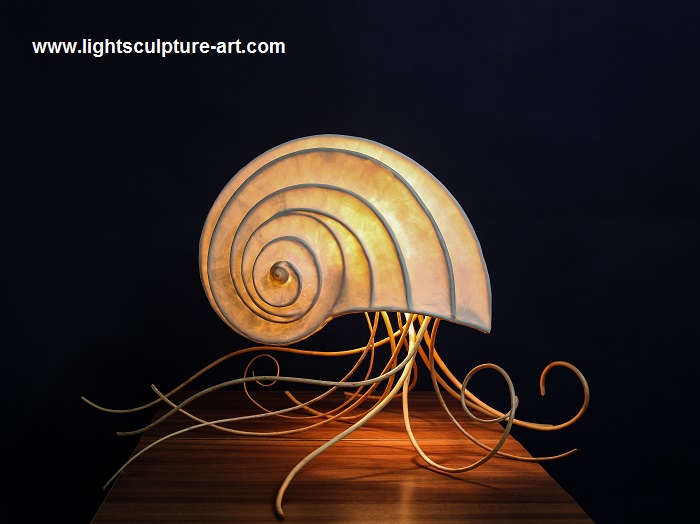
Light sculptures can be monumental , covering entire parks or city squares , or small enough to fit on a desk . This versatility makes them accessible to all types of audiences .
Paragraph 5
In architecture , light sculptures are used as installations to highlight buildings , bridges , and public spaces . They merge art with urban design in powerful ways .
Paragraph 6
Festivals dedicated to light sculptures are growing more popular each year . These events bring communities together , celebrating creativity and cultural heritage .
Paragraph 7
Light sculptures are often customized for special occasions , such as weddings , exhibitions, or religious ceremonies , where their glow adds meaning and atmosphere .
Paragraph 8
The use of eco friendly materials has become a trend in crafting light sculptures . Recycled paper and sustainable wood are frequently chosen to reduce environmental impact .
Paragraph 9
Many contemporary designers treat light sculptures as more than decoration — they see them as a medium for storytelling , innovation , and cultural exchange .
Paragraph 10
Ultimately , light sculptures are proof of humanity ’ s timeless fascination with light . They remind us that even simple materials can shine with extraordinary brilliance when touched by imagination .

