
کلیه اخبار اخبار هول هوش ادبیات ایران را برای شما جمع آوری اوریو با هم در دنیای فرهنگی زبانی ادیبان ای آن انسیر میکنیم تا بیشتر با آنها انهااشنا شویم
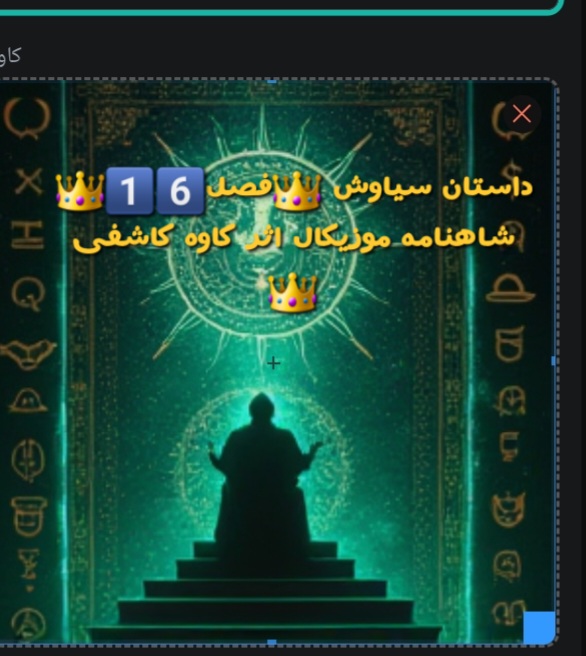
داستان سیاوش 👑فصل1️⃣6️⃣👑قسمت9️⃣👑2️⃣5️⃣0️⃣📝3️⃣0️⃣👑 شاهنامه موزیکال 👑 تعلیل پیشنهاد برای تبدیل به آثار موزیک 👑 👑
تنهایی اخلاق در برابر قدرت: خوانشی تحلیلی و موسیقایی از بخش نهم داستان سیاوش در شاهنامه
مقدمه
داستان سیاوش در شاهنامه نمونهای برجسته از تراژدی اخلاقی و تقابل فرد با ساختار قدرت است. نهم این داستان، شامل ابیات ۲۵۰ تا ۳۵۰، جایی است که سیاوش پس از رانده شدن از ایران به توران پناه میبرد و با تضاد میان پاکی اخلاقی و سیاستهای خطرناک، قدرت میشود. این مقاله با هدف ارائه تحلیل ادبی، درامژیک و موسیقایی است.
تحلیل ادبی و مفهومی
تراژدی اخلاقی
در این بخش، سیاوش مرتکب هیچ خطایی نمیشود. سقوط او نه نتیجه اشتباه شخصی، بلکه نتیجه فساد و پیچیدگیهای قدرت قدرت است. این نکته مهم است زیرا شاهنامه تنها حماسه نیست، بلکه بازتابی از اندیشه سیاسی و اخلاقی نیز هست.
سکون پرتنش
فردوسی در این ابیات از اغراقهای حماسی فاصله گرفته و با زبانی آرام، روان و تعلیق تراژیک را منتقل میکند. مخاطب همچنان در انتظار اتفاق است، اما فضای متن حاکی از فضای فاجعههای قریبالوقوع است.
دوگانگی قدرت
افراسیاب میان محبت شخصی به سیاوش و فشار اطرافیان، از جمله گرسیوز، گرفته شده است. او نه شرور مطلق است و نه عادل کامل، و همین دوگانگی، فضای داستان را سنگین و تعلیقی میکند.
تحلیل دراماتورژیک
نهم داستان انفجار احساسی یا سوگ وجود ندارد. این بخش با بررسی تعلیق تراژ و تضاد درونی شخصیت ها، فرصتی برای نمایش «پیشلرزه فاجعه» است. دراماتورژی این بخش به خواننده یا مخاطب موسیقایی پیام میدهد که باید فضای آرام اما پرتنش حفظ شود تا تراژدیها بعدها تاثیر بیشتری داشته باشند.
پیشنهاد موسیقایی
حال و هوا
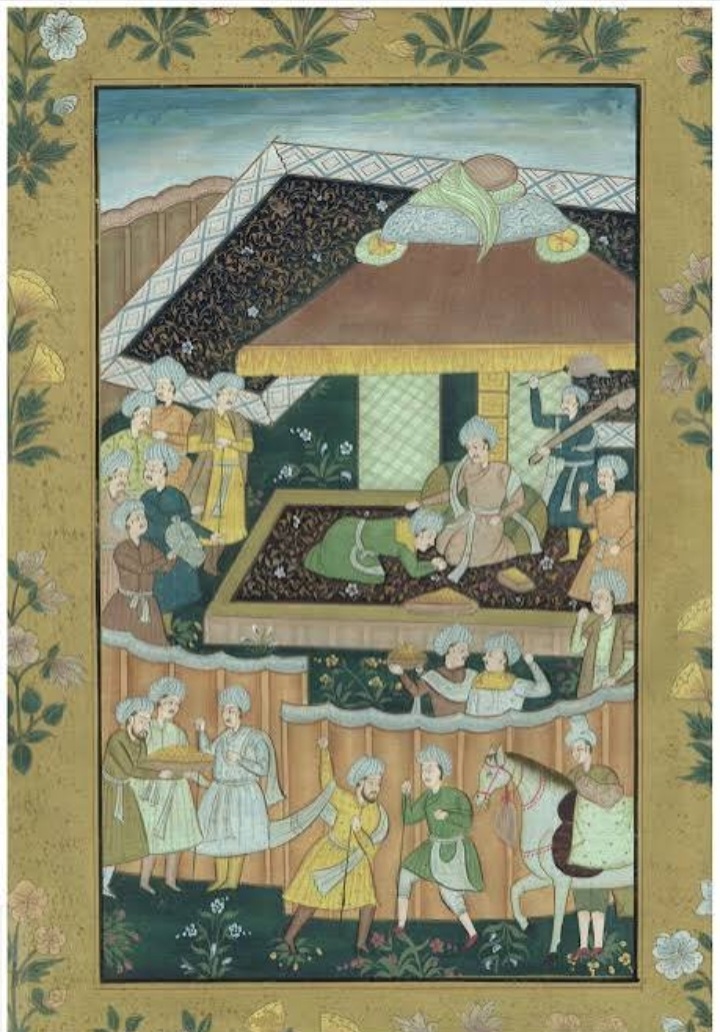
موسیقی این بخش باید تعلیقی و آرام باشد، نه سوگوار یا انفجاری، زیرا متن هنوز مرگ یا فاجعه را نمی بیند و باید مخاطب حس انتظار و احساس را تجربه کند.
مدی پیشنهادی
دستگاه نوا: انتقال وقار و نجابت سیاوش.
بیات اصفهان: ایجاد حس اندوه نجیب و اندیشمندانه، هماهنگ با فضای اخلاقی و دراماتیک.
سازبندی
سیاوش: کمانچه تنها، بمتار آرام، بدون ریتم مشخص.
فضای دربار و قدرت: سازهای کششی جمعی (آرشهایها)، پهپاد بم ممتد برای ایجاد حس سنگینی قدرت.
افراسیاب: صدای باریتون تیره و سنگین.
این تفاوت رنگ صدا تضاد اخلاق و قدرت را تقویت میکند.
عناصر مدرن (اختیاری)
برای اجرای مدرن میتوان از پد الکترونیک مینیمال استفاده کرد، اما ملودی باید کاملاً ایرانی باشد و ضرب آرام کشدار باشد تا حسیق و تقدیر حفظ شود.
نتیجه گیری
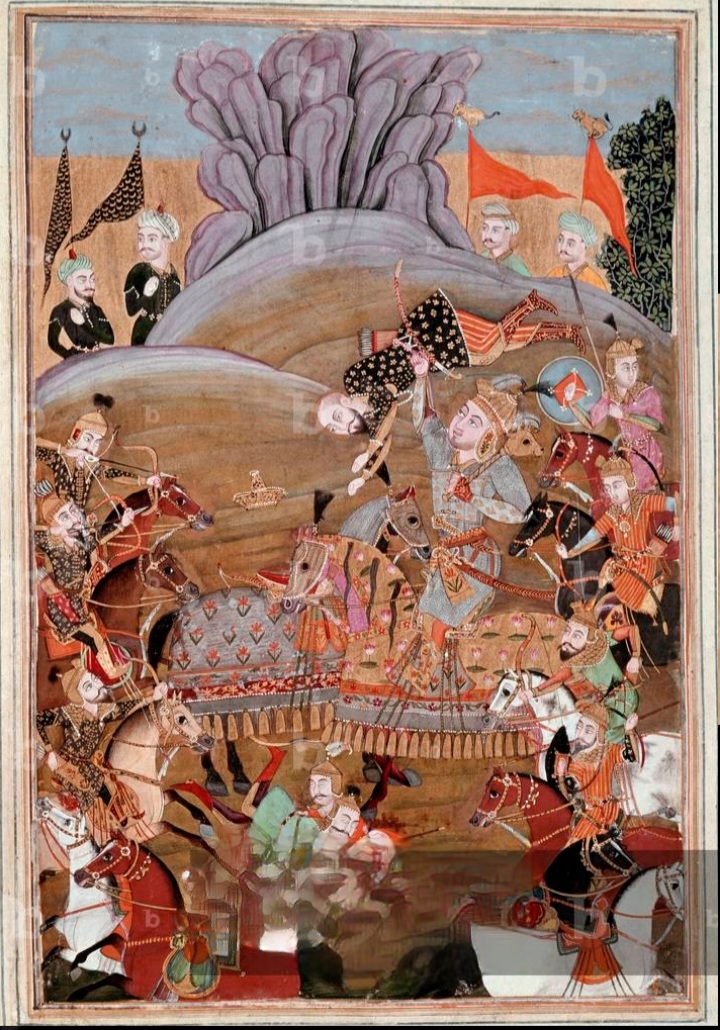
نهم داستان سیاوش نمونهای برجسته از تنهایی اخلاق در برابر قدرت است. تحلیل ادبی، دراماتورژیک و موسیقایی آن را نشان می دهد که برای اجرای موسیقی این بخش باید:
1. فضای تعلیقی و آرام حفظ شود.
2. ابزارها و مدها با شخصیت ها هماهنگ باشند.
3. موسیقی حس پیشلرزه فاجعه و تضاد اخلاق و قدرت را منتقل کند
منبع کتاب خاطرات #شاهنامه #موزیکال به قلم #کاوه_کاشفی
گردآورنده پژوهش #هیوا و #نورب ترجمه به انگلیسی ررسی تصحیح غلط پیرایش و ویرایش آمادهسازی برای انتشار در فضای مجازی ai
The Solitude of Morality Against Power: An Analytical and Musical Reading of the Ninth Part of Siavash’s Story in the Shahnameh
Introduction
The story of Siavash in the Shahnameh is a prominent example of moral tragedy and the confrontation of the individual with the power structure. The ninth part of this story, consisting of verses 250 to 350, is where Siavash takes refuge in Turan after being driven from Iran and faces the conflict between moral purity and the polluted politics of power. This article aims to present a literary, dramaturgical, and musical analysis of this part so that the reader can become familiar with both its conceptual and performance dimensions.
Literary and Conceptual Analysis
Moral Tragedy
In this part, Siavash does not commit any mistakes. His downfall is not the result of a personal mistake, but rather the result of the corruption and complexities of the power structure. This point is important because the Shahnameh is not only an epic, but also a reflection of political and moral thought.
Tense stillness
In these verses, Ferdowsi distances himself from epic exaggerations and conveys tragic anxiety and suspense with calm language. The audience is still waiting for something to happen, but the atmosphere of the text suggests an imminent disaster.
The duality of power
Afrasiab is caught between personal love for Siavash and the pressure of those around her, including Gressius. She is neither an absolute villain nor a perfect just person, and this duality makes the atmosphere of the story heavy and suspenseful.
Dramaturgical analysis
The ninth part of the story does not have an emotional explosion or obvious mourning. By focusing on the tragic suspense and the internal conflict of the characters, this part is an opportunity to show the “premonition of disaster”. The dramaturgy of this part sends a message to the reader or musical audience that a calm but tense atmosphere must be maintained so that the tragedy will have a greater impact later.
Musical suggestion
Mood
The music of this section should be suspenseful and calm, not mournful or explosive, because the text has not yet revealed death or disaster, and the audience should experience a sense of anticipation and anxiety.
Suggested mode
Nava instrument: conveying Siavash's dignity and nobility.
Isfahan bayat: creating a sense of noble and thoughtful sadness, in harmony with the moral and dramatic atmosphere.
Instrumentation
Siavash: lone kamancheh, slow bass, without a specific rhythm.
Court and power atmosphere: collective stringed instruments (arshe'i), extended bass drone to create a sense of heaviness of power.
Singer type
Siavash: bright Iranian tenor voice.
Afrasiab: dark and heavy baritone voice.
This difference in tone strengthens the contrast between morality and power.
Modern Elements (Optional)

A minimal electronic pad can be used for a modern performance, but the melody should remain completely Iranian and the slow beat should be elastic to maintain a sense of suspense and destiny.
Conclusion
The ninth part of Siavash’s story is a prime example of the loneliness of morality against power. Its literary, dramaturgical, and musical analysis shows that for the musical performance of this part, it is necessary to:
1. Maintain a suspenseful and calm atmosphere.
2. The instruments and modes should be in harmony with the characters.
3. The music should convey a sense of foreboding of disaster and the conflict between morality and power.
مطلبی دیگر از این انتشارات
تحلیل و بررسی پادشاهی خسرو پرویز
مطلبی دیگر از این انتشارات
👑 فصل 5️⃣2️⃣👑 قسمت 5️⃣👑 پادشاهی کسرا نوشینروان ۴۸ سال بود ... ابیات۱تا ۲۰۰
مطلبی دیگر از این انتشارات
فصل4️⃣9️⃣👑قسمت اول1️⃣👑 پادشاهی بهرام گور👑