
Iran is a land of thousands of years of history, dazzling civilization, and diverse nature. Every corner of this country hides a story—from ancient legends to magnificent Islamic architecture, from the towering mountains of Alborz and Zagros to the boundless deserts of Lut and Dasht-e Kavir. Perhaps that is why many foreign travelers, after visiting Iran, have told Lonely Planet: “We had never experienced so much diversity in a single country.”
Of course, it is impossible to cover all of Iran’s attractions in just one article. That’s why this will be the first chapter of a series. Each part will focus on one theme—UNESCO World Heritage Sites, historic cities, natural wonders, cultural festivals, or local experiences. This first article paints a broad picture of Iran’s position in the world of tourism and outlines the categories we’ll explore in upcoming articles.
The question many travelers ask is: Why choose Iran, when there are so many famous destinations in Asia and Europe? The answer lies in three words: Diversity, History, and People.
Iran stretches across a vast landscape, offering a stunning variety of natural sceneries. Few countries allow you to walk in rainforests and then stargaze in the desert—all on the same trip.
Northern Iran: The lush Hyrcanian forests, over 40 million years old.
Central Iran: The Lut Desert, recognized by UNESCO as the hottest place on Earth.
Western Iran: The Zagros Mountains, dotted with stepped villages like Masuleh and Uraman.
Southern Iran: Islands like Kish and Qeshm with coral beaches and unique geoparks.
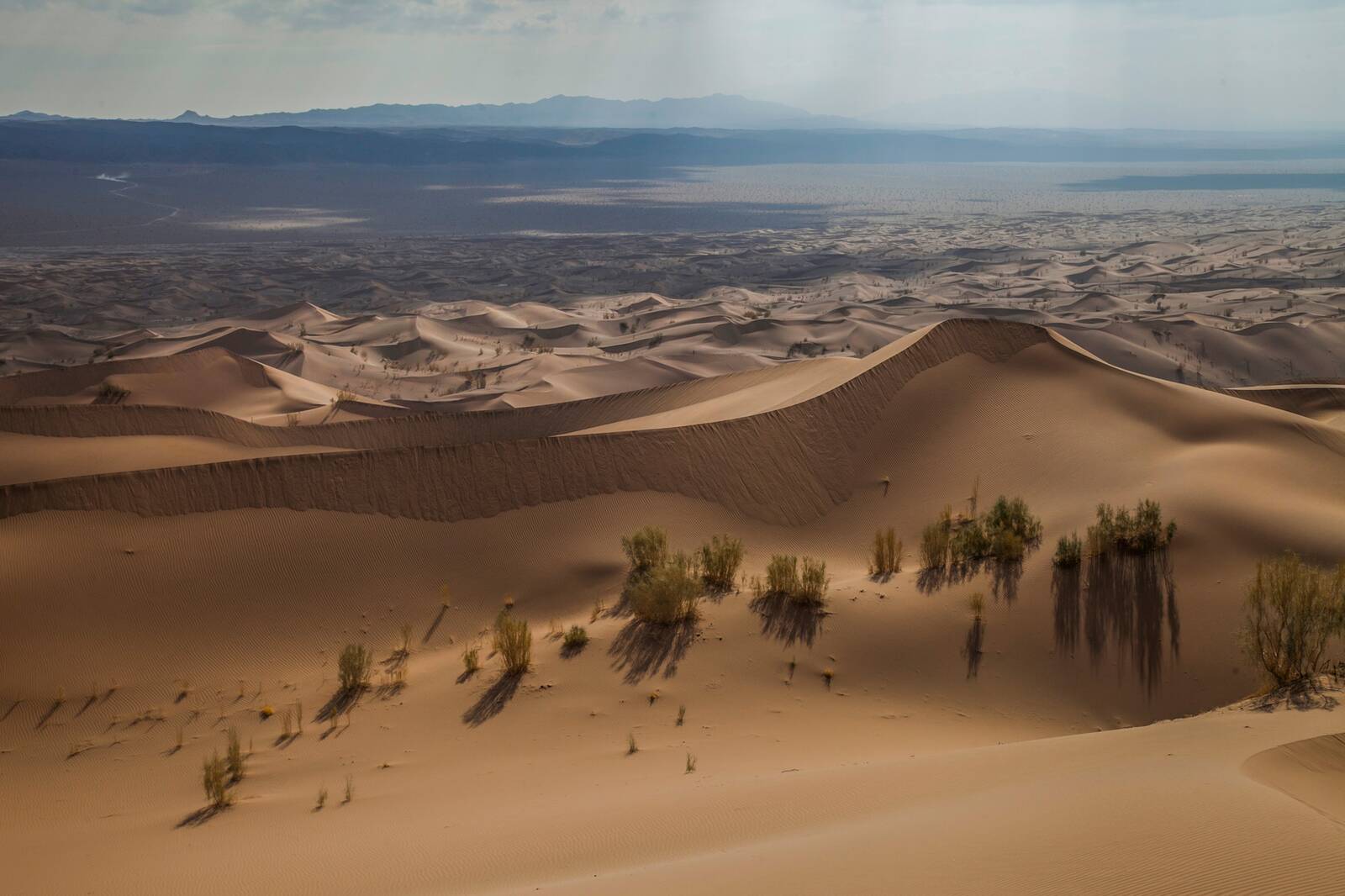
Panoramic view of sand dunes in the Lut Desert
Iran’s civilization is among the oldest in the world. Ancient cities like Susa and Hamadan date back thousands of years. Persepolis and Pasargadae still testify to the grandeur of the Achaemenid Empire, while Isfahan, with its Naqsh-e Jahan Square, has earned the nickname “Half the World.”
If you ask tourists featured in Lonely Planet guides about their best memory of Iran, most will say: the people. Hospitality, warmth, and the joy Iranians take in welcoming strangers make for an unforgettable experience.
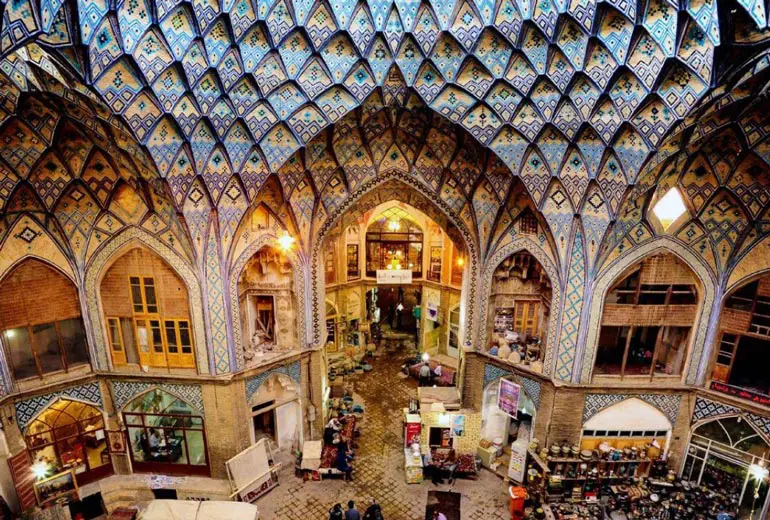
The bazaar in Isfahan
To keep things structured and useful, we will explore Iran’s highlights under the following themes:
UNESCO World Heritage Sites
Iran has more than 27 UNESCO-listed sites, ranging from Persepolis and Naqsh-e Jahan Square to natural treasures like the Hyrcanian Forests and the Lut Desert. Each site will deserve a separate article.
Historic and Cultural Cities
Cities like Isfahan, Shiraz, Yazd, Tabriz, and Mashhad, with their architecture and preserved heritage, are ideal destinations for travelers.
Nature and Adventure
Climbing Mount Damavand, boating on Anzali Lagoon, desert trekking in Lut, or diving in the Persian Gulf—these activities show the adventurous side of Iran.
Festivals and Intangible Heritage
From Nowruz (Persian New Year) to Ashura ceremonies in Yazd and the carpet-washing ritual in Mashhad Ardehal, Iran is a land of living traditions.
Handicrafts and Local Arts
Persian carpets, pottery, wood inlay, and enamel work are not just art—they are stories woven from history and culture.

A carpet-weaving workshop in Kashan
To give you a taste of what’s to come, let’s briefly introduce one of Iran’s most iconic sites: Persepolis.
Location: Near Shiraz
Age: Over 2,500 years
Features: Monumental stone architecture, columned halls, intricate bas-reliefs depicting delegations from across the empire
Significance: Persepolis was the ceremonial capital of the Achaemenids and the site of Nowruz celebrations.
Lonely Planet Tip: The best seasons to visit Persepolis are spring and autumn, when the weather is mild and the sunlight enhances the dramatic shadows of its columns—perfect for photography.

Sunset over the columns of Persepolis
In its latest guidebook on Iran, Lonely Planet emphasizes three key points for visitors:
The people of Iran will make your trip.
Iran is a paradise for photography.
Iranian cuisine is a delight of flavors and colors.
For example, many travelers have fallen in love with dishes like Fesenjan (pomegranate-walnut stew), Ghormeh Sabzi (herb stew), or the simple yet iconic Kebab. Food becomes an inseparable part of the journey.

A traditional Persian spread with stews, rice, and kebabs
Since one article cannot do justice to all of Iran’s treasures, each upcoming piece will focus on a single theme or site. Here’s a preview:
Article 2: UNESCO World Heritage in Iran (1): Persepolis
Article 3: UNESCO World Heritage in Iran (2): Naqsh-e Jahan Square
Article 4: Historic Cities (1): Yazd, the City of Windcatchers
Article 5: Nature of Iran (1): The Lut Desert, Secrets of the Earth’s Hottest Spot
Step by step, this series will evolve into a comprehensive yet digestible guide to traveling in Iran.
Iran is a country where each region feels like a different world.
In the north, you’ll find rainforests and the Caspian Sea shores.
In the south, the Persian Gulf glimmers with coral islands.
In the center, the desert sky unveils millions of stars.
In the west, mountains and stepped villages transport you back in time.
This article is just the beginning. In the following parts, we will dive into each attraction in detail, so that you’ll not only know their names but also gain practical guidance for planning your journey.
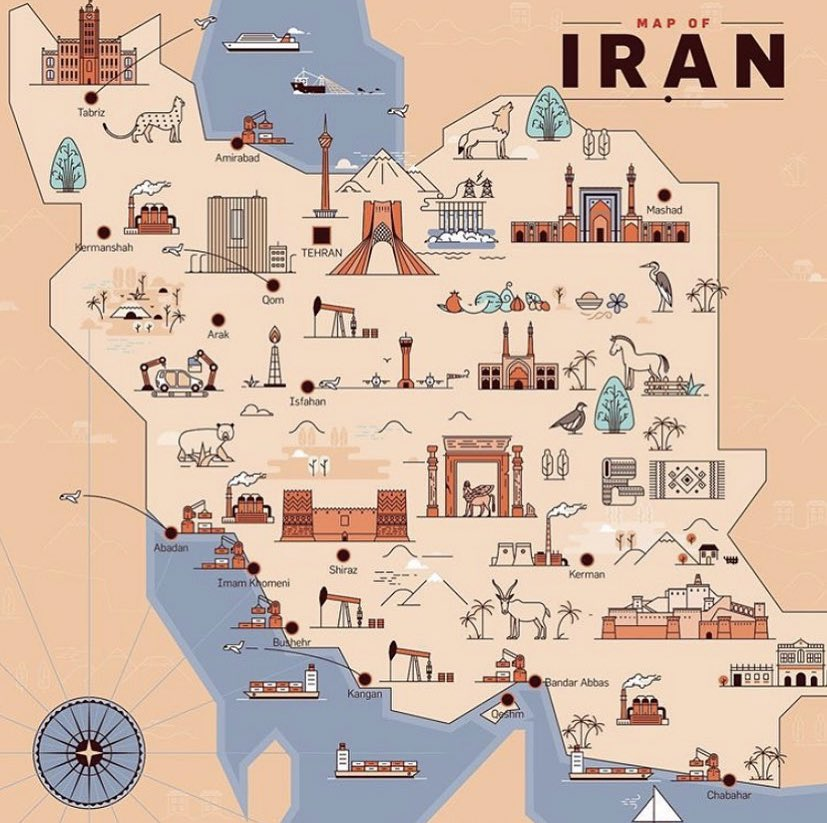
A map of Iran highlighting major tourist destinations
Persian version of the same article : بهترین جاذبههای گردشگری ایران

